.webp)
Often the seams are hidden from view, as if to say, 'how this was made doesn't matter.' For Regen Melbourne, how things are created does matter, because to us, the doing is what regeneration is all about.
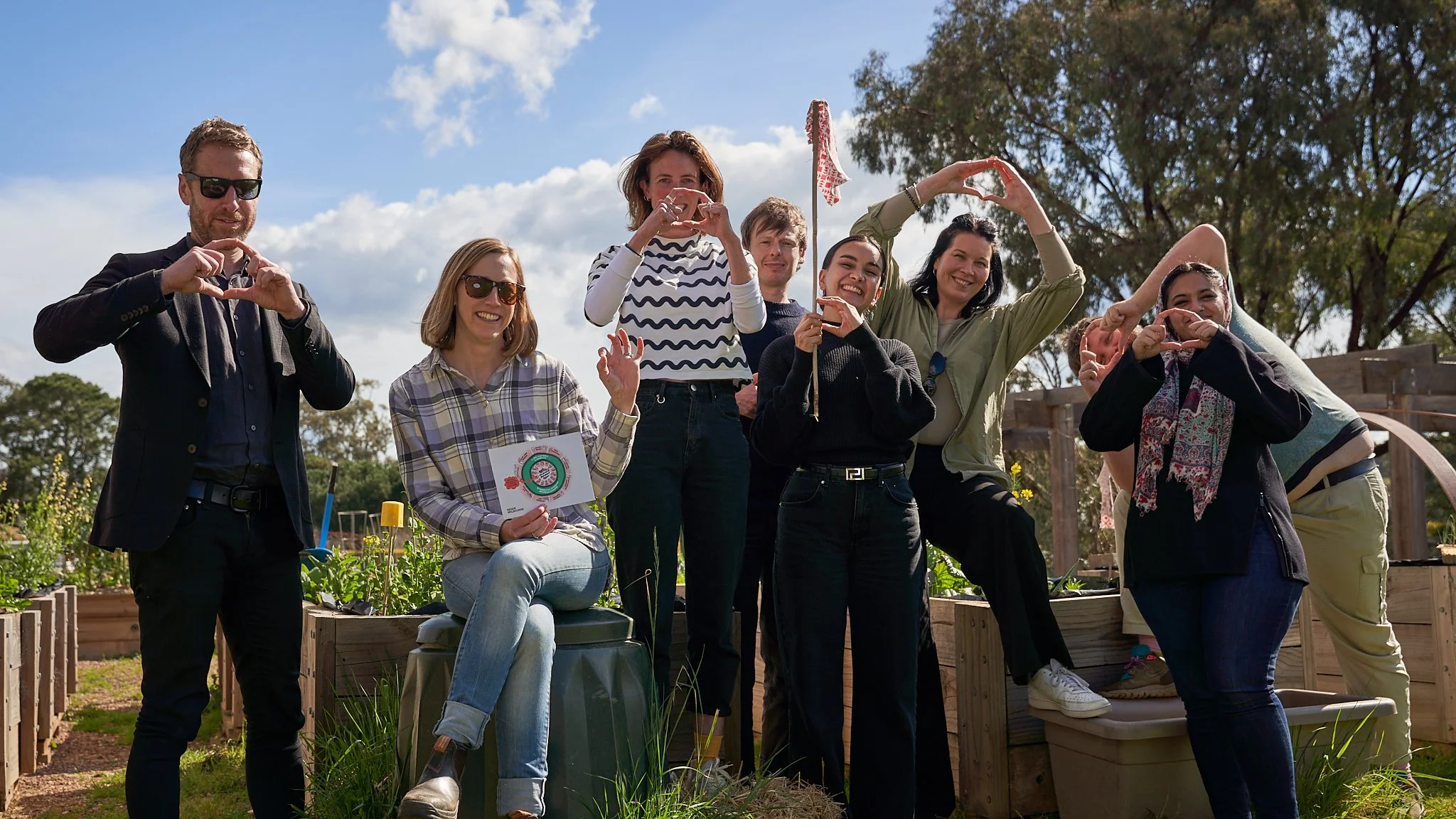
The City Portrait is a result of epic collaboration, but what does that actually mean? Here is the short version of all the hands involved in bringing it to life. The long version can be found in Making the City Portrait on the City Portrait platform.
How did we create such a beautiful platform that ALSO holds lots of layers of information?
In short, his name is Miek Dunbar, and he's exceptional. Miek jumped into this work because he cares about it. The collaboration and design process became part of Miek's research agenda in his role at the RMIT School of Design. We later realised that the way that we worked together had a formal name - 'commoning' - and it was perhaps because we weren't trying to adhere to something formal that our collaboration was so genuine.
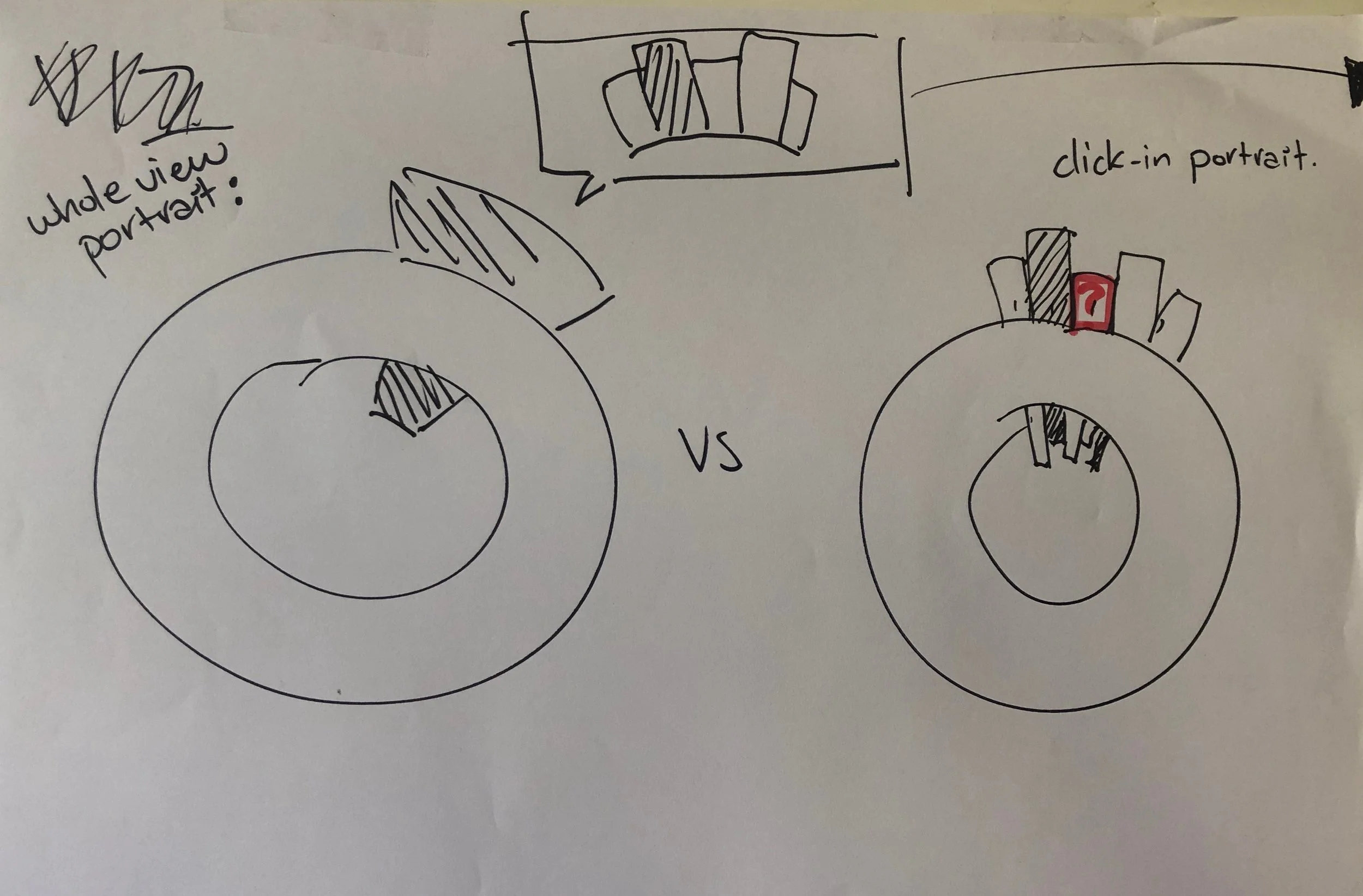
Miek was joined by Zaib Sheenan, who took on an internship as part of her studies at RMIT School of Design. Zaib is the brains behind the "What's this doughnut thingy?" that introduces the framework in a fun, accessible way.
How did we start talking about what all of this means for Melbourne?
Ben Hart and his team at Fireside Agency have been partners of Regen Melbourne since early days. As the City Portrait was coming together, they generously gave us 50 pro bono hours to support the messaging.
Once we had this great story, we wanted to make it tangible – a "magic foldy thing" to hand out at the launch event. Ollie Pelling and the team at Good&Proper brought this together like magic.
How did we invite others into the process?
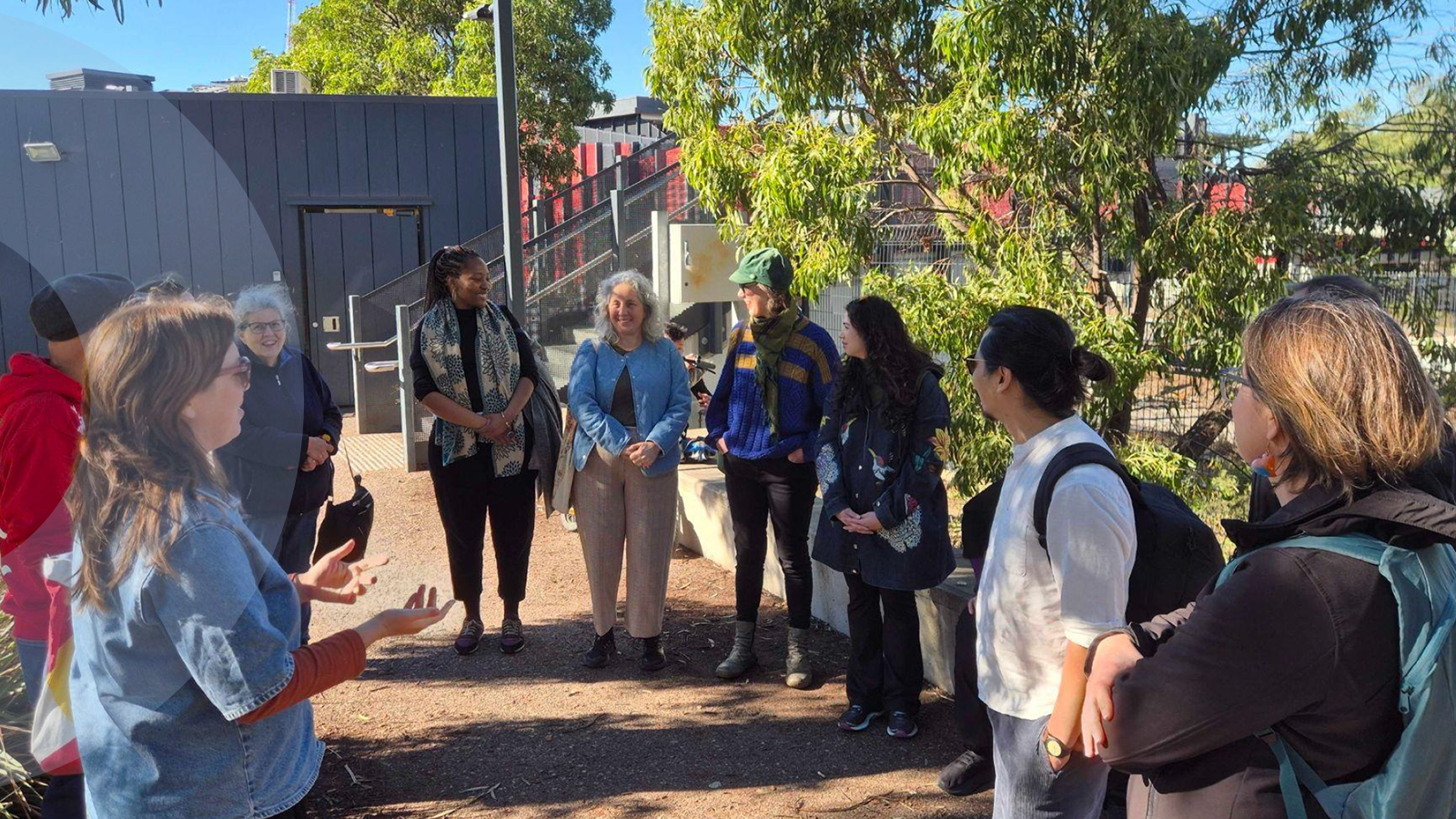
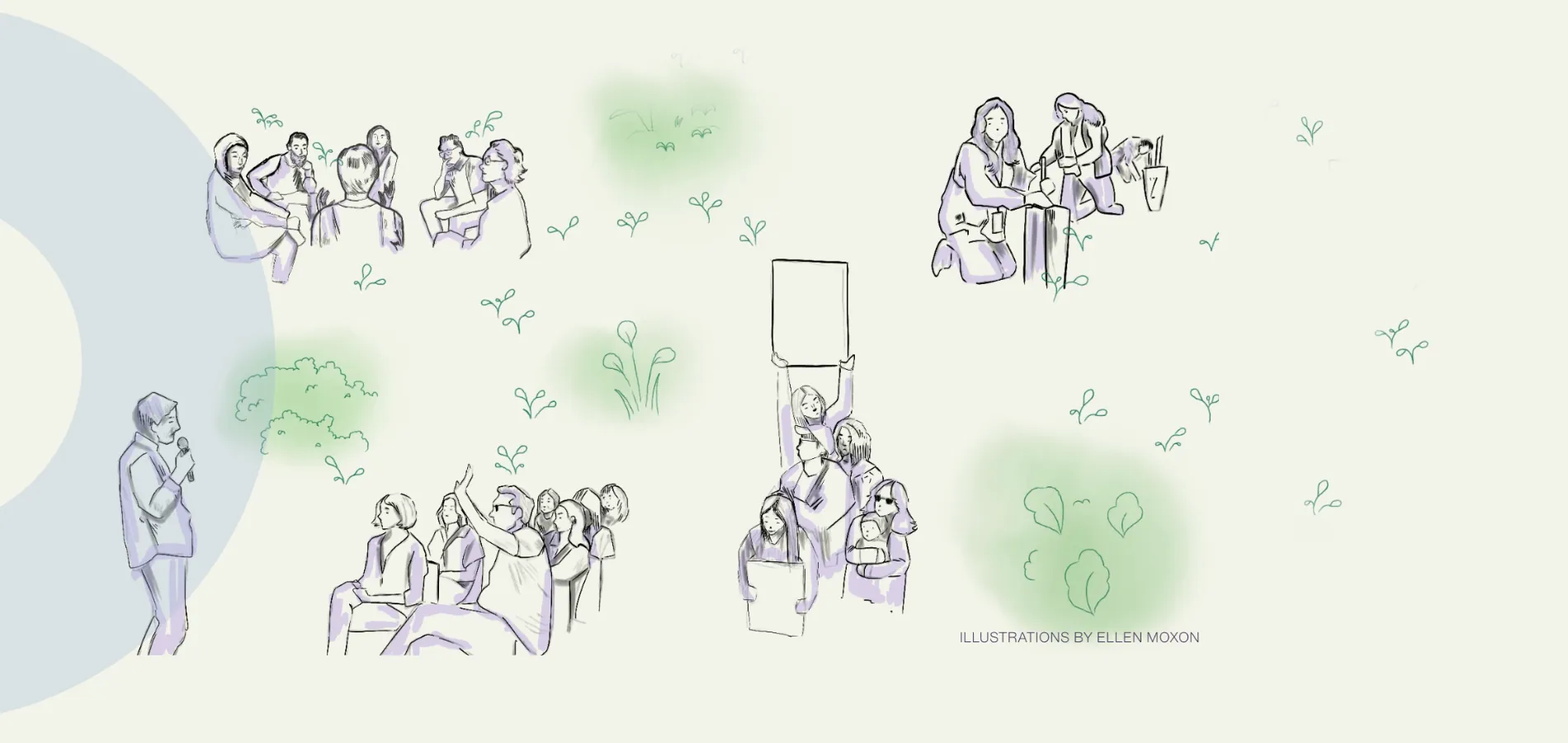
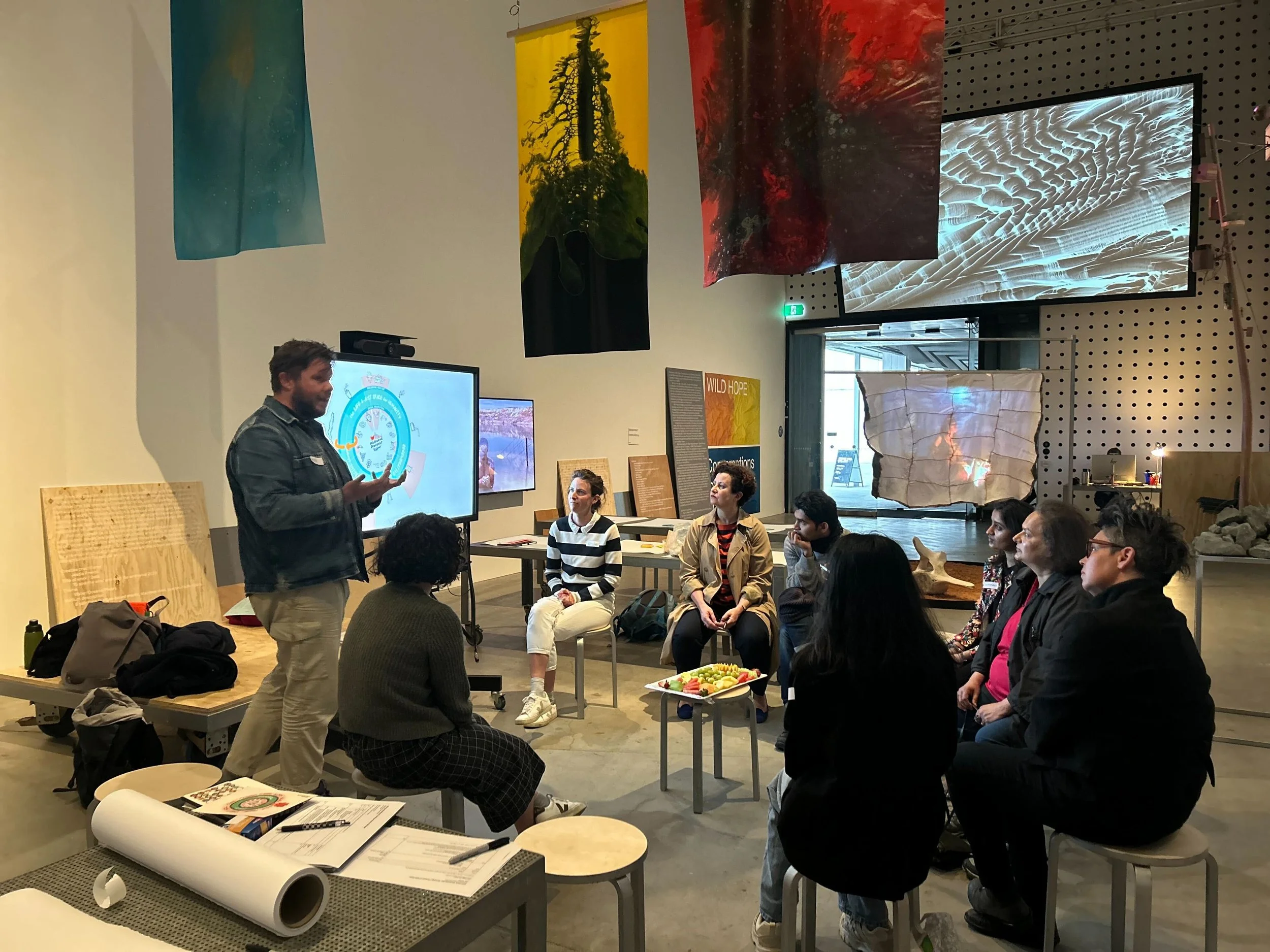
This was enabled by Naomi Stead and Wendy Steele, who curated the Wild Hope: Conversations for a Planetary Commons exhibition at RMIT.
How did we get the Social Foundation numbers?
First we decided what to measure through workshops with sector experts. Then data collection relied on publicly available data, with support from the Lord Mayor's Charitable Foundation (LMCF), and Lokesh Sangarya volunteering with the team.
How did we get the Ecological Ceiling numbers?
We kicked off with an exploration with Arup, led by Reid Beauchamp and Amelia Tompkins. Then we worked with Josh Hopkins at Open Corridor to develop Greater Melbourne's planetary quotas. We extended our partnership to include the University of Melbourne Centre for Cities, recruiting research assistant Navam Niles.
How did we point readers to deeper research?
We partnered with Altiorem, whose purpose is to make research on sustainable finance more accessible. Working with Mariana Wheatley, we co-hosted two student interns who developed new content on Doughnut Economics and individual dimensions of the Melbourne Doughnut.
How did we test the overall direction?
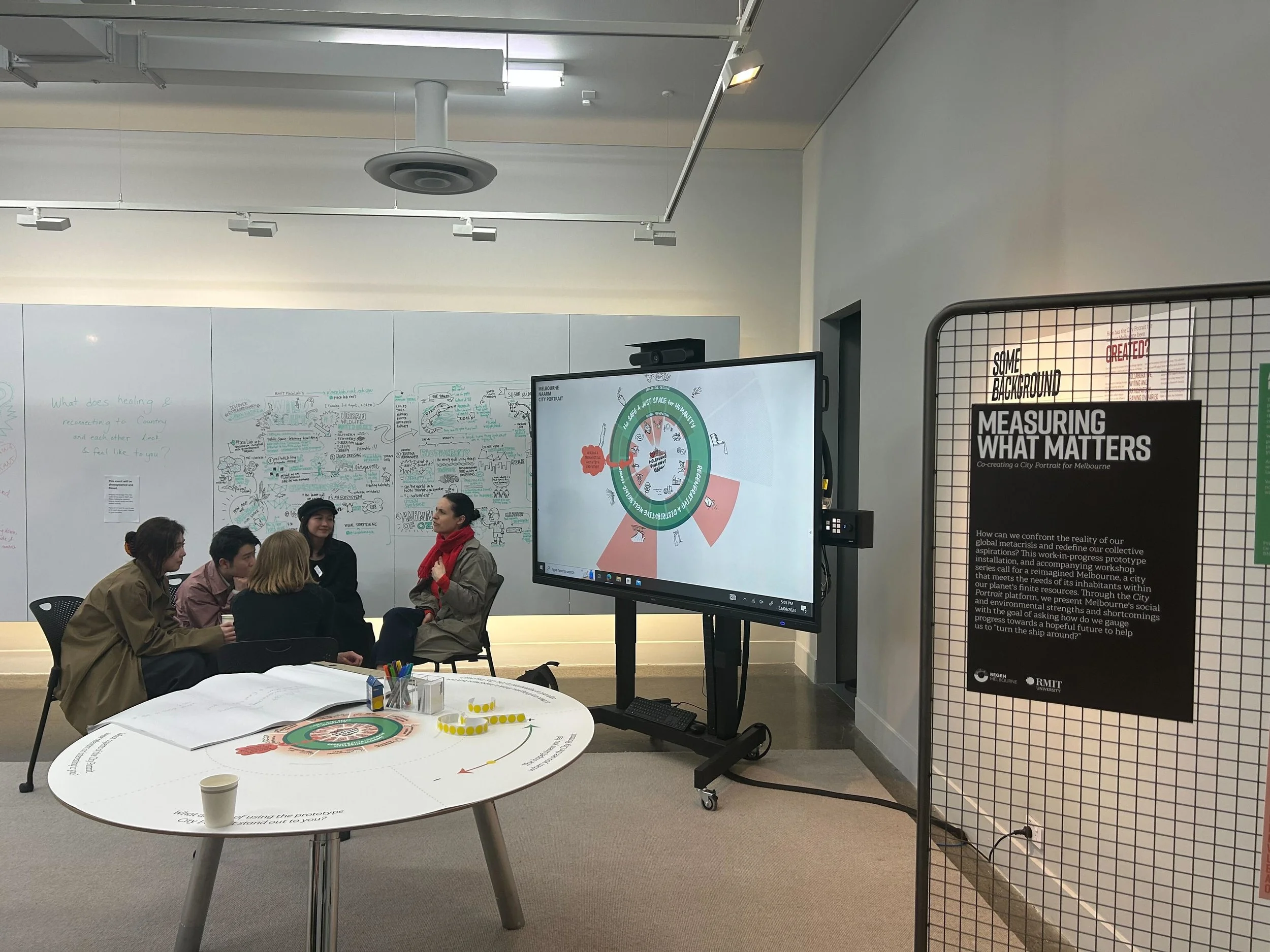
A group of Learning Partners came together to guide the City Portrait's structure, purpose, audience and key messages, including representatives from Altiorem, Arup, Centre for Policy Development, City of Melbourne, ERM, Fireside Agency, LMCF and Think Impact.
Why such a focus on collaboration?
For us, the doing is central to the regenerating. The collaboration was the research: could we make a City Portrait that would represent how we need to work to create the change we want to see? And it turns out we can, and we did, together.