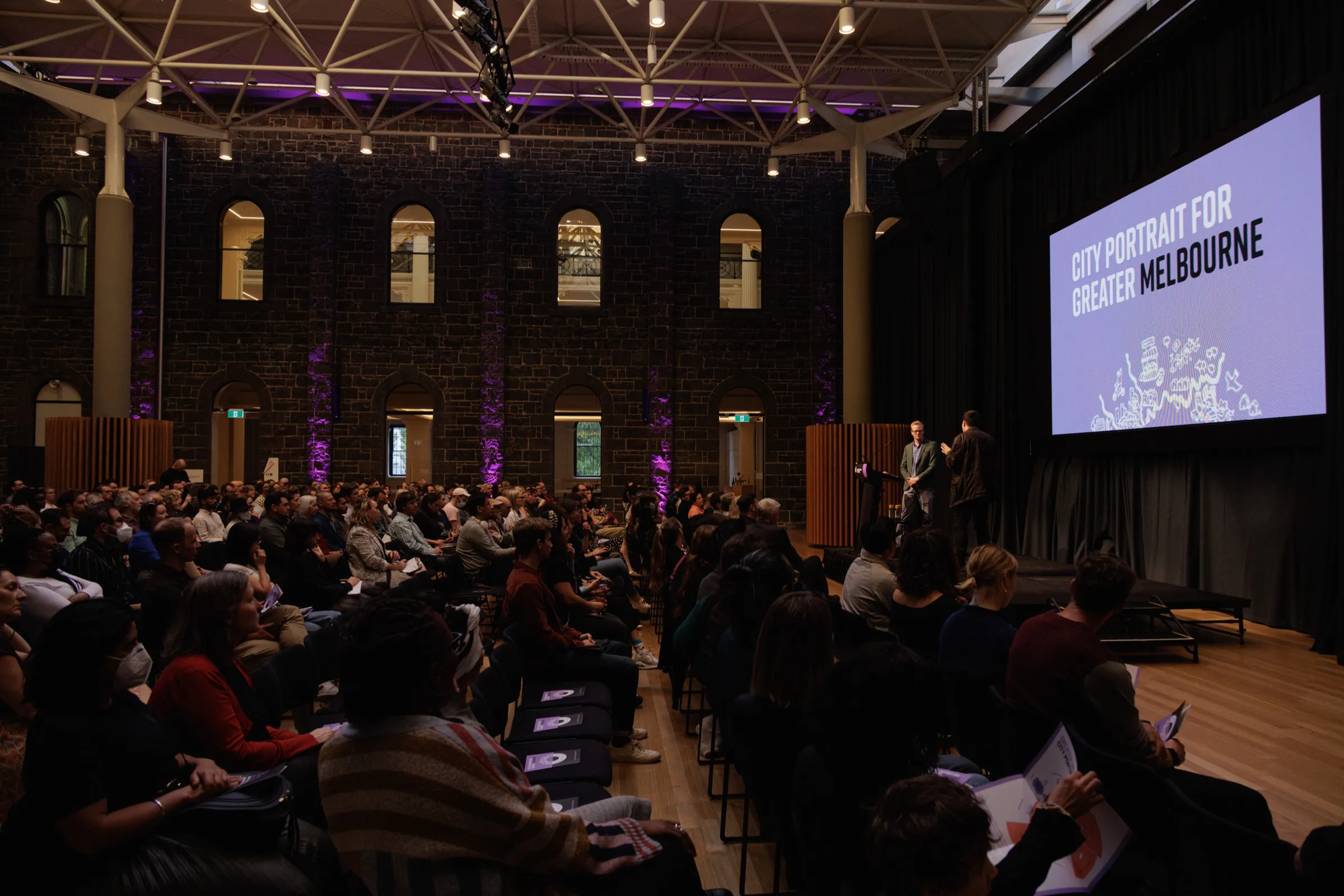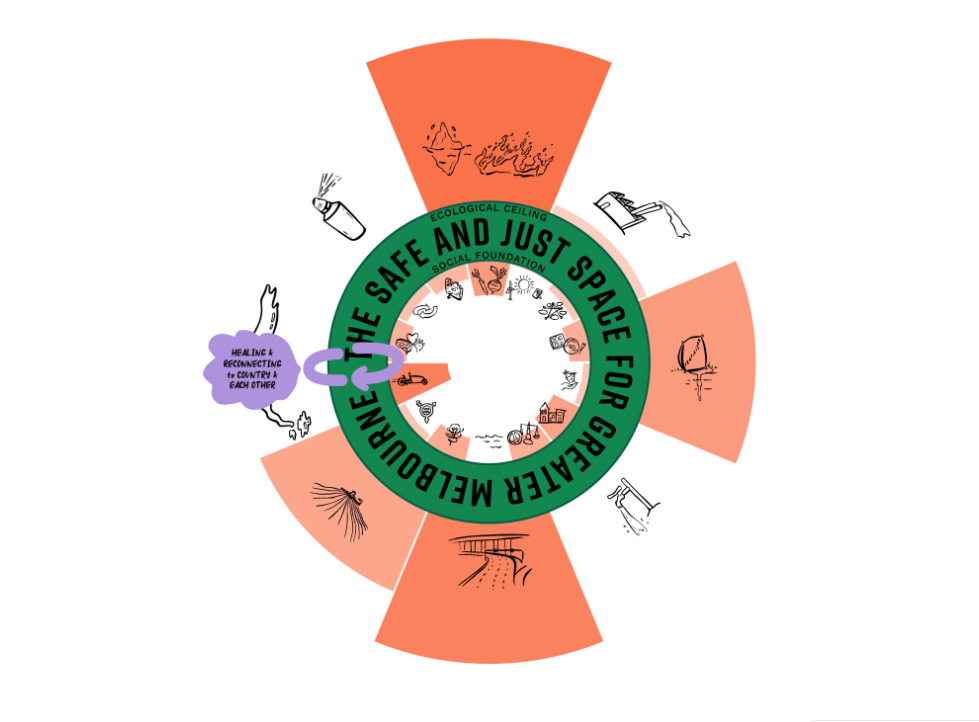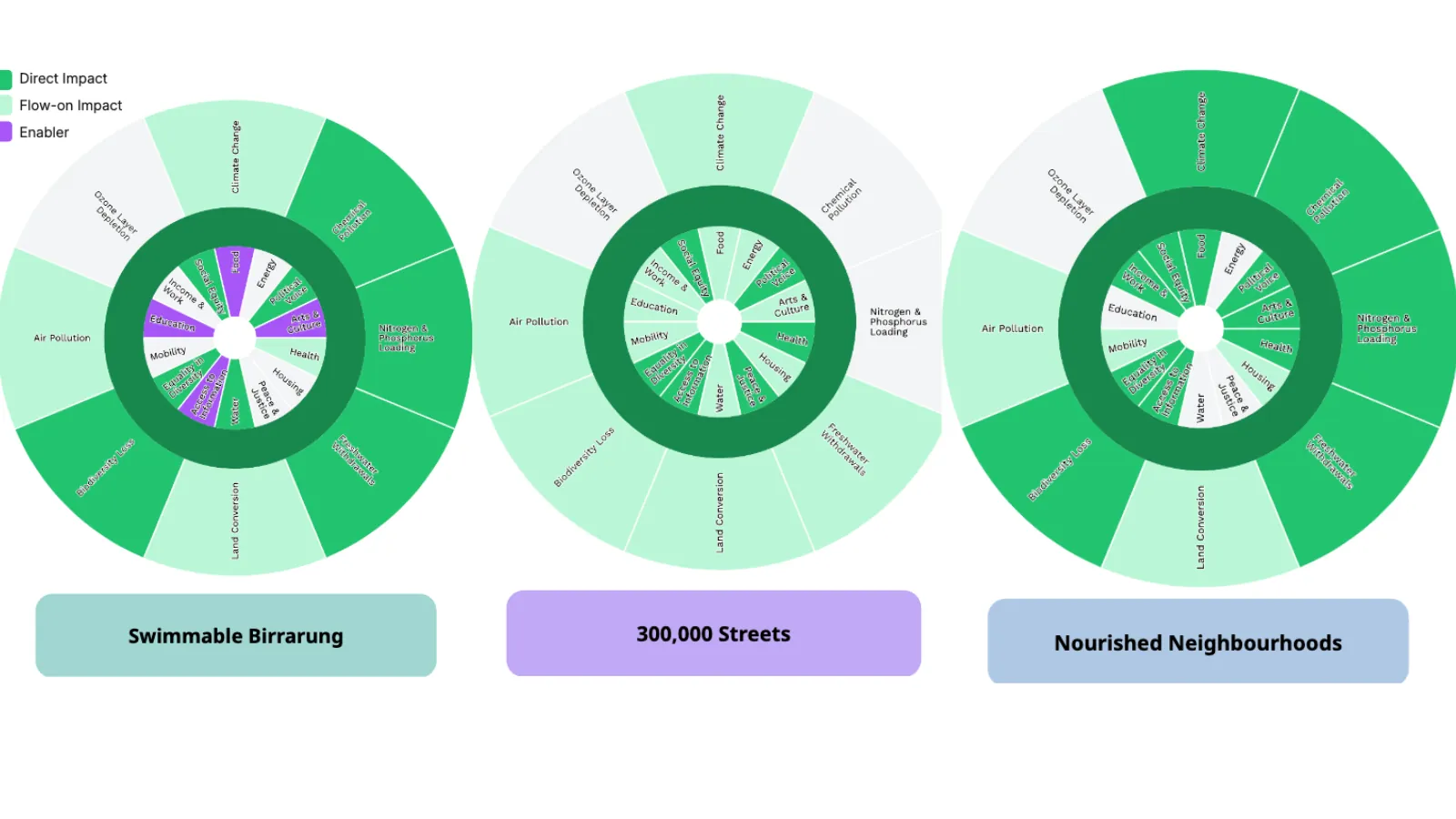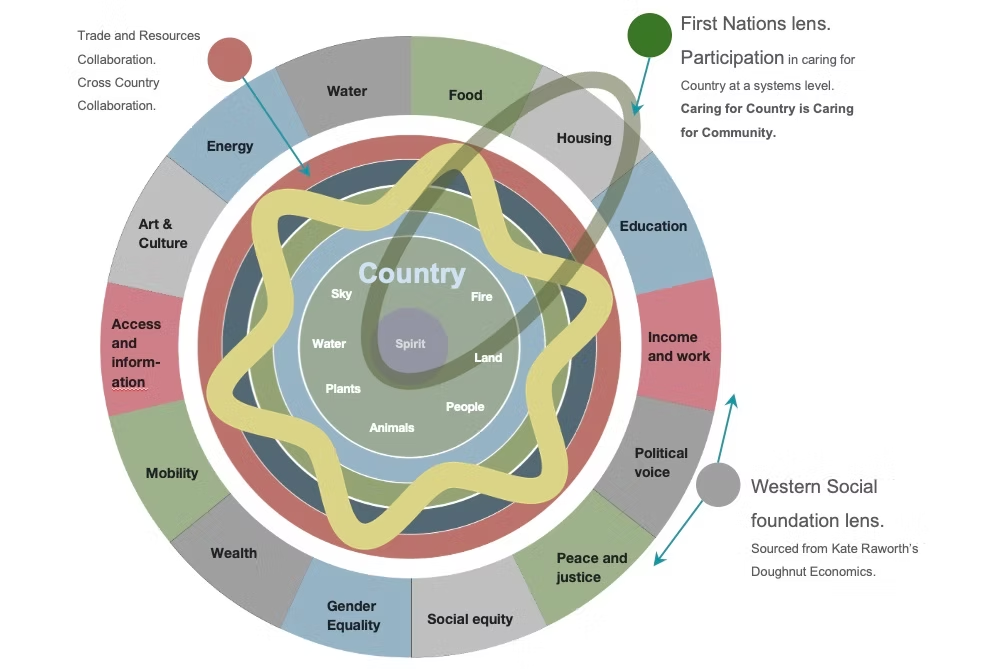


Our work in Measuring What Matters focuses on how to deploy measurement to enable long-term change to our understandings of, relationships with and decisions about our social, ecological and economic systems. We approach this through a ‘Learning Portfolio’, made up of real projects in practice which have a combined doing and learning emphasis. This work originated with our exploration of Doughnut Economics and development of the Greater Melbourne City Portrait as a way to holistically define and measure long-term goals for Melbourne’s regeneration. We continue to build on and draw from this work, while also considering how measurement can facilitate change and decision-making in real-time, through inclusive and democratic practices.
Measurement is ultimately only useful if it is employed to inform policy, strategy and action. This theme focuses on how new and diverse measurement frameworks and approaches can be applied to enable systemic change. Our learning questions within this theme include:
Decisions about how and what we measure, who does the measuring and who has access to information are never entirely objective; they are informed explicitly or implicitly by the values and objectives of the decision-maker. This theme focuses on how measurement and data practices can be designed to be holistic and inclusive. Our learning questions within this theme include:
We need new, holistic measurement approaches that move us past narrow and harmful growth-centric models. This theme focuses on identifying and implementing measurement models that centre social and ecological wellbeing for setting goals and understanding change over time. Our learning questions within this theme include: