.webp)
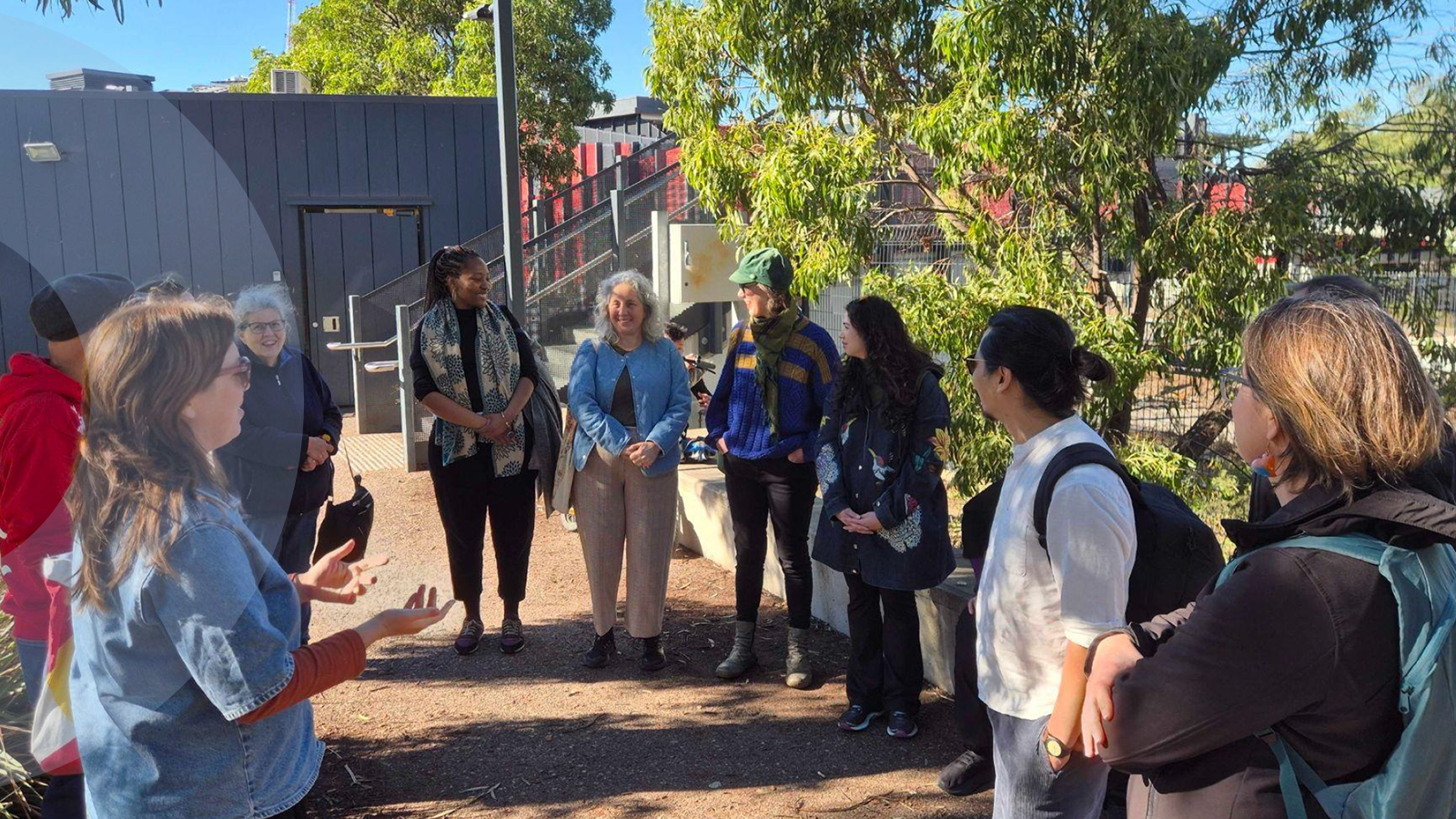
Caroline Sanz-Veitch shares the maturing of Participatory Melbourne into cross-cutting work focused on New Urban Governance (aka how we enable better relationships between communities and our democratic systems). Caro reflects on the insights from the last year and what led us to the realisation that we must pave a new path through the lens of participation as an enabling condition, not a stand-alone project.
Participatory Melbourne began as a collective research and action project designed to nurture and scale resilient communities, unlocking their collective potential and moving our city towards a regenerative future.
As a collaboration between the Coalition of Everyone, Swinburne University's Australian Leadership Index,Menzies Foundation and Regen Melbourne, the goal of this work was to understand the ecosystem and landscape of participation activity across Greater Melbourne, then use these insights to build experiments and create systemic interventions that could generate greater community agency, increase trust and resilience, enhance connectedness, and inspire action.
Participatory Melbourne: Phase one
At the outset, we knew that there were many existing actors working on these fundamental questions, and plenty of local research to support this work. Participatory Melbourne built on this ecosystem, following a hunch that we could provide value by leveraging a systems lens and deeply collaborative approach to better connect actors, increase ambition, deepen systemic impact and scale tangible solutions.
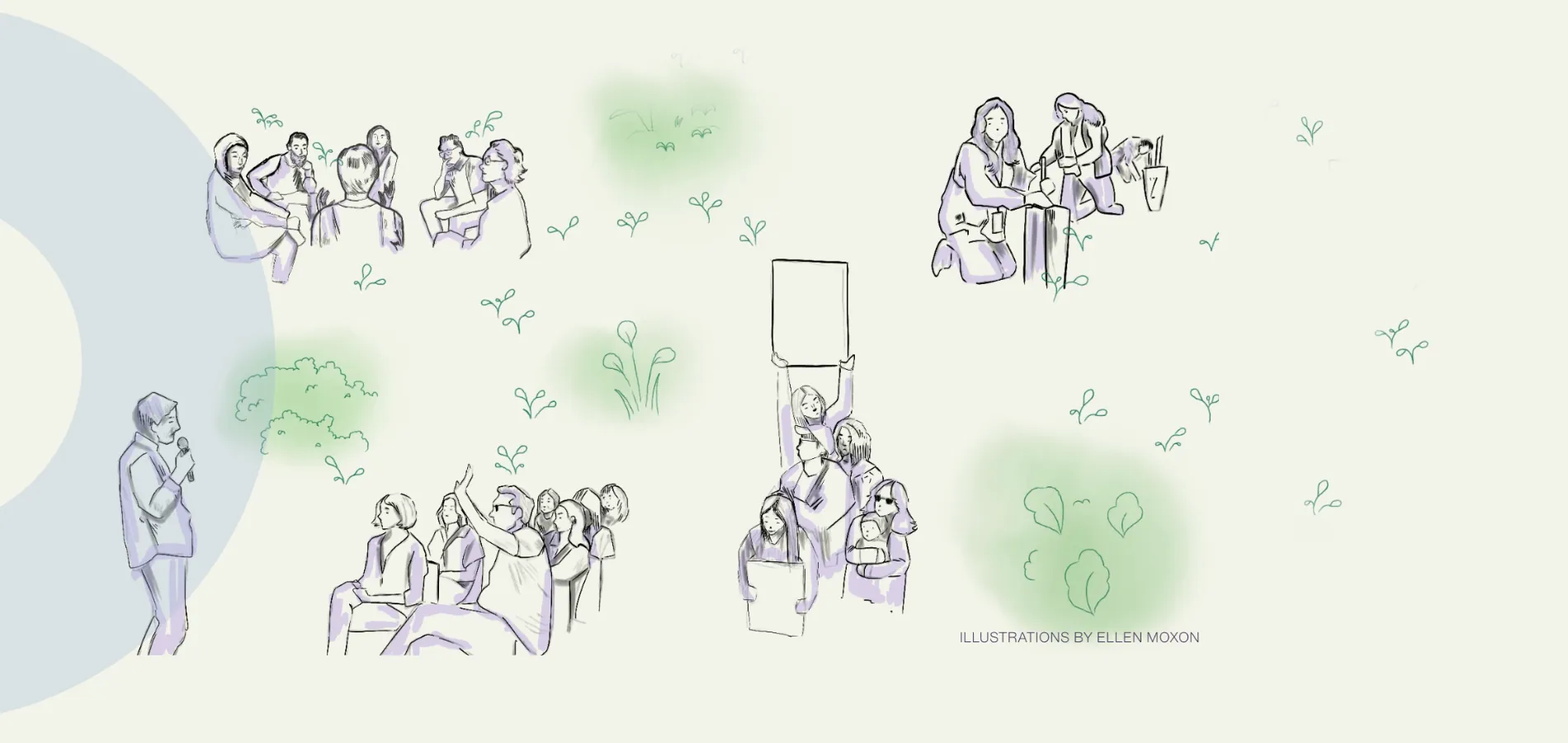
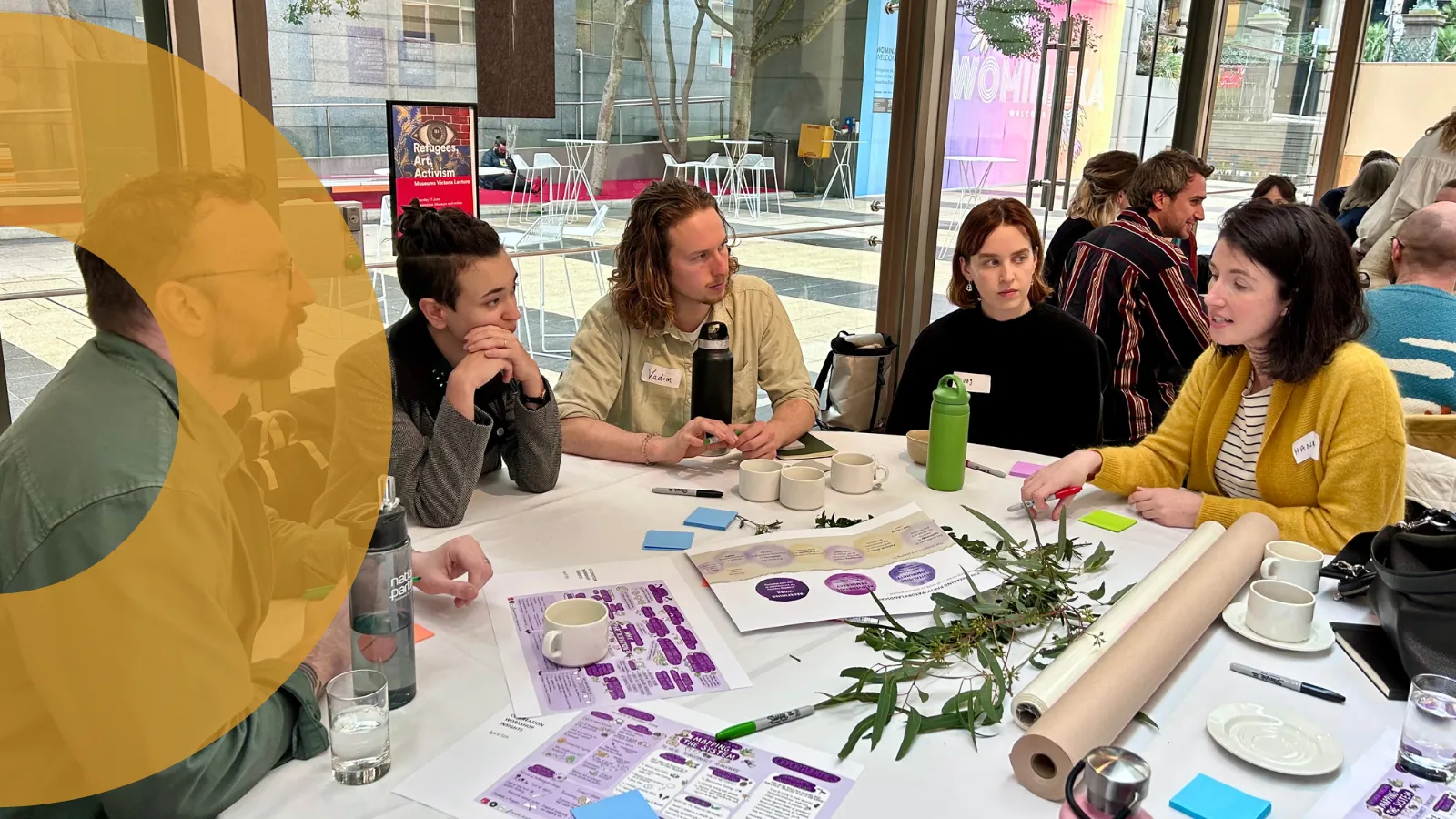
As such, the first six months of Regen Melbourne's work entailed a series of activities and conversations with our alliance partners and known actors in the participatory ecosystem to uncover the state of participation in our city. This included workshops, a mock citizen's assembly, design forums and co-design sessions – culminating in an in-depth Insights and Activation Report surfacing key insights as well as the barriers and enablers impacting greater social cohesion and more resilient systems.
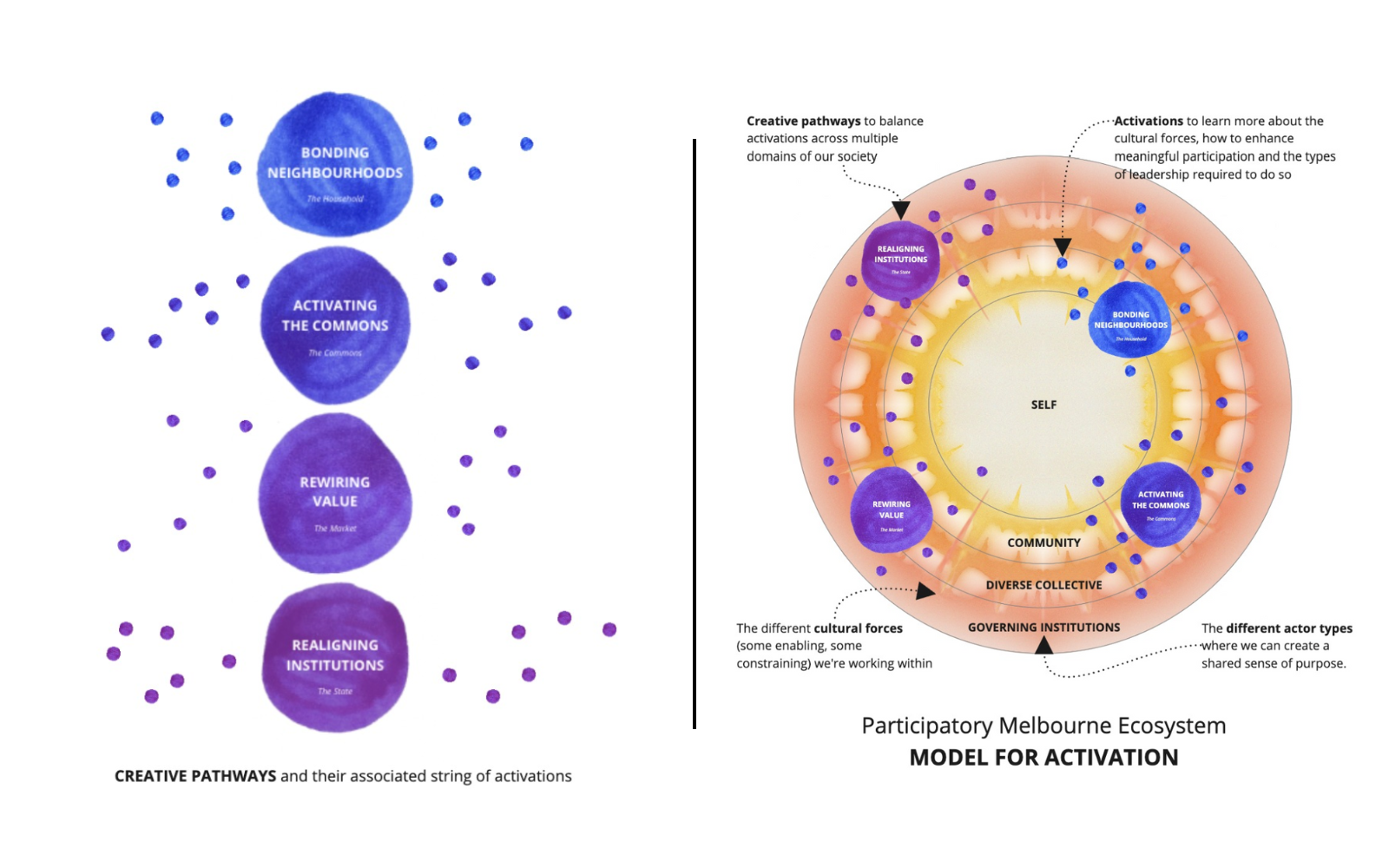
These insights were elaborated on in a few ways. Key insights were synthesised into a set of fourCreative Pathways,allowing us to be more targeted in how we could then interrogate and address the systemic challenges that came up. The barriers and enablers were framed as a suite ofCo-existing Forcesthat both constrained and divided us while also showing how we might enable our collective pursuit of a shared future. Through our collaboration, we also recognised the need for aModel of Activationthat could help us better understand the participatory landscape and how to influence it across the different layers and intersections of society.
What was clear even at this early stage was that:
A more robust and resilient participatory cityrequires people to be re-empowered to make their own active decisions across all aspects of their lives;
Active participation is a necessary componentfor us to feel part of society, to reconnect to those around us, to walk side by side with those we disagree with, and to improve our economic and democratic systems;
New forms of collective leadership are emergingbut require significant and active support and systemic infrastructure to thrive.
It also solidified our position that in order to cultivate the conditions fora thriving democratic life,we need to recognise and support the many actors working towards this goal. In response to this, we worked with Coalition of Everyone (CoE) to develop a prototype Interactive Participatory Ecosystem Map, inspired by the ecosystem mapping CoE had already done for Regen Places.
This culminated our first phase of work and opened up opportunities to progress from insights into action. By the end of 2023, a report was developed by Australian Leadership Index in collaboration with OurVoice onThe Civic Health of Australia. The report gave us a strong evidence base that validated many of the insights from our earlier work – particularly highlighting the fractured trust in our society and the ensuing social isolation being experienced.
We were also clearer on the opportunities for collaboration:
Existing activity needs further amplification. Projects that create opportunities for inclusive, collective decision making are endlessly inspiring. However, many examples remain local in nature and their potential for systemic influence is low.
Connectivity between initiatives can deepen impact.Unique alliances across sectors can enhance the ability for participatory activity to have meaningful systemic impact.
New resourcing is required to unlock the potential.The convening and collaboration required to support systemic work is rarely resourced well.
There is a need for a model that connects and expandsthe diverse range of participatory activity across the economic spectrum.
There is a need to identify new collective and potent intervention pointsto tilt the system towards participatory engagement in pursuit of the common good.
Participatory Melbourne: Phase two
Into 2024, our focus shifted from insights to action. This was centred on how we might organise around targeted activities and experiments to surface more transformative, scalable projects. We framed this organising structure throughFields of Actionand re-engaged with both existing and emerging actors who believe in the potential of a more robust and resilient participatory city.
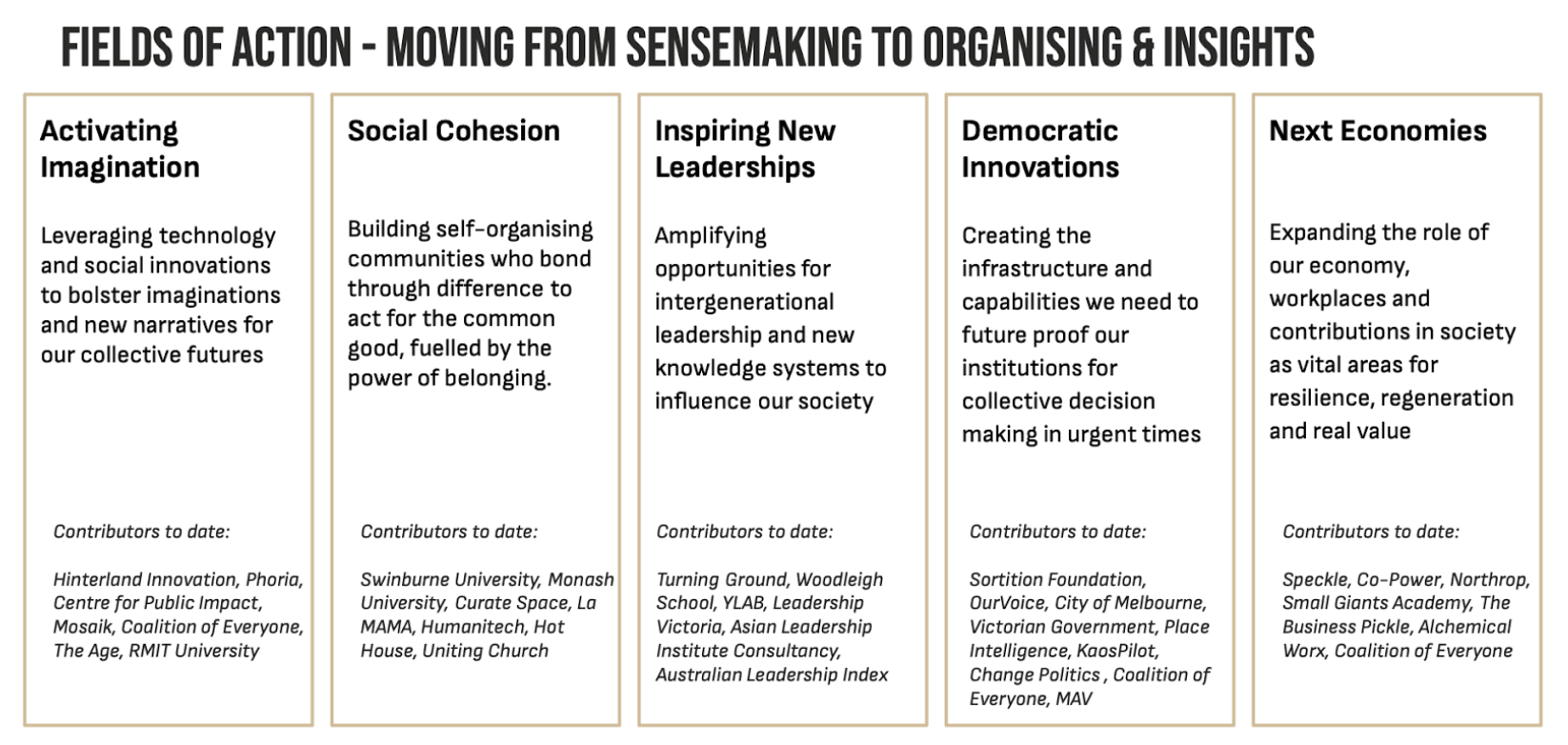
We continued to test and validate these in early 2024, while also expanding our mapping of the ecosystem. Despite the consistently shared acknowledgement that a participatory ecosystem is required, it became increasingly clear that exploring participation, new forms of democracy and community activations might be best served through the lens of an enabling mechanism rather than a stand-alone project.
Alongside this growing lesson, the work also brought a growing lesson in collaboration around these kinds of earthshot ambitions. With a few resets along the way, Coalition for Everyone and Australian Leadership Index decided to step away.
What held true was that we still felt very strongly that there was more Regen Melbourne could contribute to this field of work, and with the continued support of the Menzies Foundation, we could see a clear path in taking these learnings and reframing this participation question as an overarching enabling function of Regen Melbourne's portfolio of projects. Thus, Participatory Melbourne, as a project in and of itself, came to an end.
At this point, we'd like to send out a big thanks to Willow at the Coalition of Everyone and Sam at the Australian Leadership Index at Swinburne University for their dedicated work on Participatory Melbourne. We'd also like to thank Liz at the Menzies Foundation for her trust and bravery in supporting this emerging work and its ongoing evolution.
What's next?
So where does this leave us? Our long-term work with Regen Streets,Swimmable Birrarung and Regen Food will be built on a foundational layer of enhanced participation, activated imaginations, increased social cohesion, new forms of leadership and democratic innovations. In short, all of our work is dependent on a participatory Melbourne!
Regen Melbourne has also recently formed a Systems Lab as a way to recognise the entrenched dynamics of our current system, which require a deeper and different inquiry space in order to prime the environment to respond to the transformative action of our projects.
As such, our work around participation and community activations will carry on with its new home in the Systems Lab, as an exploration ofNew Urban Governance. We'll funnel our activities through three primary themes:
A new community story:what is the changing story of community and community resilience in these urgent times?
New systems leadership:what new forms of leadership are required to shift us to the future we need?
Urban governance in action:what new mechanisms and prototypes do our projects need to enable democratic involvement and collective action?
It is clear to us that a more participatory Melbourne requires a new story, new forms of leadership and new prototypes of urban governance. Only then can we truly hope to see resilient and adaptive communities that can nurture the social fabric of a cohesive and thriving city.
So with that, we say farewell to the project that is Participatory Melbourne and also a big thanks to everyone who's been on this journey with us to date.
See you in the field,
Caro
Lead Convenor (Participatory Melbourne)
New Urban Governance Lead