.webp)

The pandemic exposed just how fragile Melbourne's food systems really are. To ensure we are better prepared, Foodprint Melbourne has launched a toolkit to support communities plan for more resilient food systems. Nourished Neighbourhoods lead convenor, Dheepa Jeyapalan, sits down with the Foodprint Melbourne team – Rachel Carey, Maureen Murphy and Tara Behen – to discuss their groundbreaking research.
Picture this: Melbourne in 2050, home to 7 million people, concrete sprawling further into what was once fertile farmlands. Will we still be able to bite into a locally-grown apple?
Foodprint Melbourne at Melbourne University has been doing groundbreaking food systems work for years. In 2015, their research found Melbourne's city-fringe farmland grew enough food to meet 41% of the Greater Melbourne population's overall food needs. But with urban development eating away at agricultural land, they posed the critical question: If we want to eat local fruit and vegetables in 2050, how can we plan to make it happen?
Dheepa: How has the conversation shifted with policymakers over the last decade?
Rachel: When we started ten years ago, there was little understanding that fresh food supplies in Australia were vulnerable. Now there is greater awareness. More than ten years ago, the City of Melbourne introduced the first city food policy in Australia. Now many local governments in Victoria have similar policies. There is good reason for optimism.
Dheepa: What have been your biggest breakthroughs?
Rachel: Some of the big breakthroughs came during crises. The COVID-19 pandemic shone a spotlight on vulnerabilities in our food system. It created space in public and policy debates to discuss food system resilience. We've had two parliamentary inquiries in Victoria into food security since the pandemic.
Dheepa: Tell us about the toolkit.
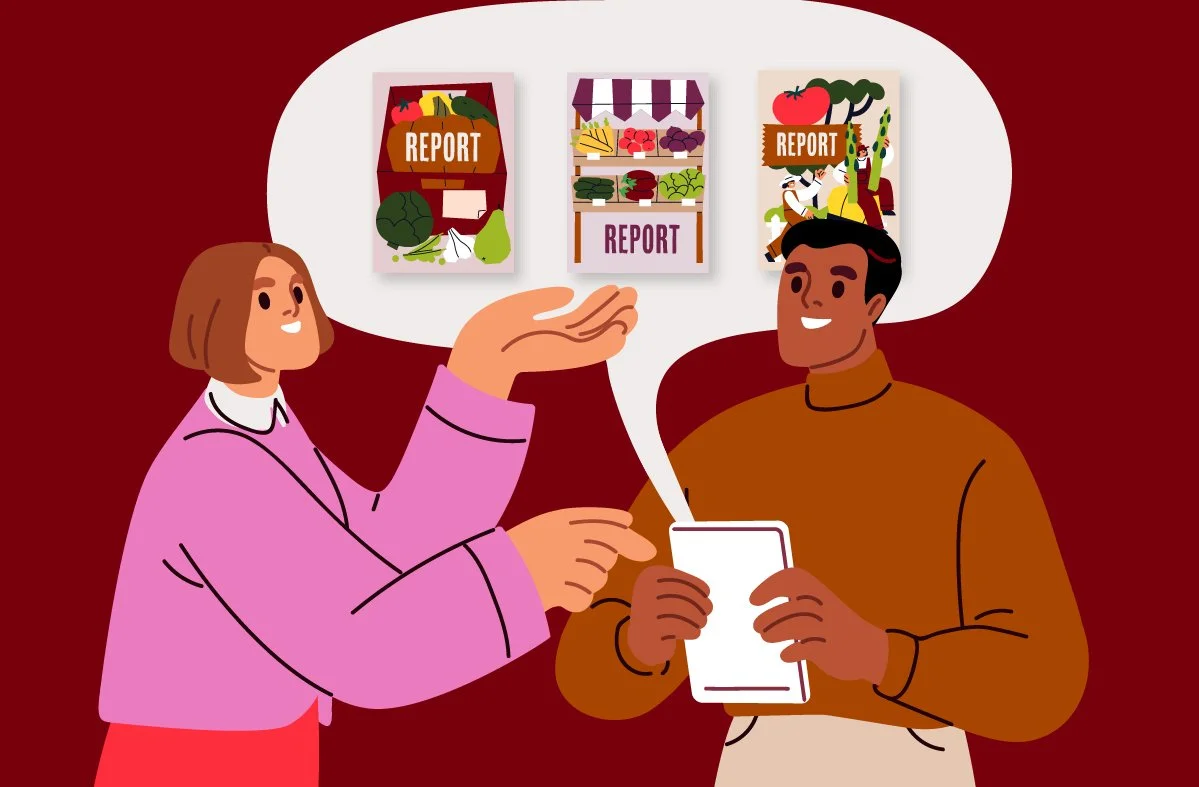
Maureen: We started working on this toolkit more than two years ago. We reviewed existing evidence, looked at how government policies influence food system resilience, and ran co-design workshops with policymakers and community sector stakeholders to develop tools and guidance.
Dheepa: What does success look like?
Tara: The key aim is to support people to actually do food resilience planning. We've designed the toolkit as an inviting and accessible platform for people at all stages of their food system journey. If it can elevate the importance of planning more equitable and resilient food systems, that would be a success.
Dheepa: How should we be getting involved?
Rachel: Build cross-sector networks. Networks built on trusted relationships enable us to respond quickly to shocks. Put diversity at the centre and equity at the heart of our solutions. A 'food with dignity' approach, grounded in the human right to food, is a core part of our toolkit.