.webp)
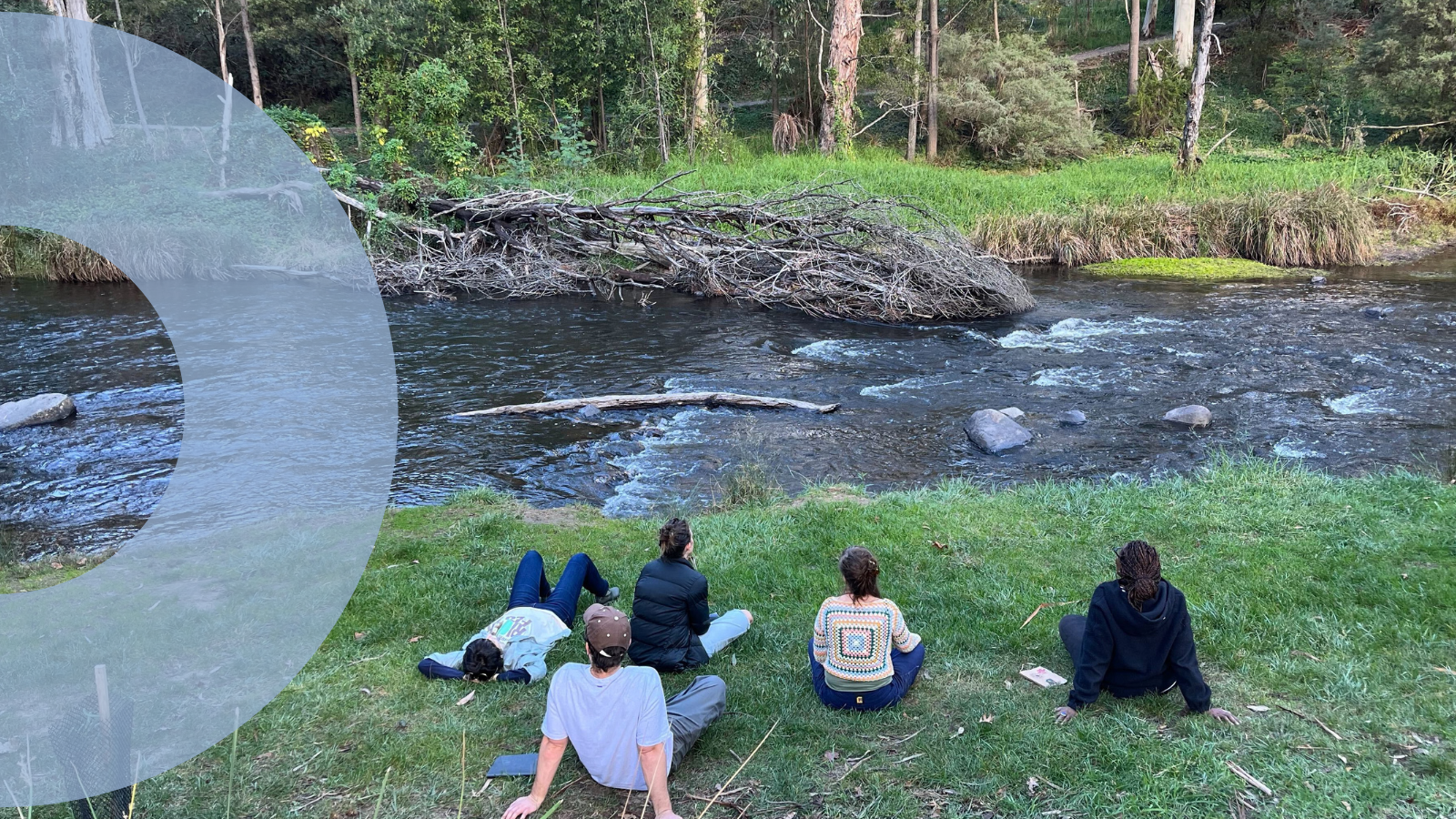
What can nature teach us if we really stop and listen? Swimmable Birrarung Lead Convener, Charity Mosienyane, reflects on a day spent by the river with the Regen Melbourne team and environmental educator Dr. Maya Ward.
I first met Dr. Maya Ward at a conference earlier this year, and was instantly starstruck. Two decades ago, Maya undertook a 21-day pilgrimage from the mouth (Port Phillip Bay) to the source of the Birrarung (Mt Baw Baw), 242km from the bay. Her extraordinary book,The Comfort Water, chronicles this journey.
So naturally – once I'd recovered from my excitement – Maya and I bonded over our love for the Birrarung and possible avenues for collaboration.
Just a few weeks later, the Regen Melbourne team is sitting in Maya's workshop space in Warburton, basking in the Autumn sun and drinking native herbal tea. The purpose? To go on a collective journey towards a deeper connection to the Birrarung.
The creative workshop is profound. Hearing Maya talk about how the basis for this kind of work is embedded in years of her PhD research, which includes significant wisdom from Indigenous communities around the world, reminds me that the human/nature connection has existed since the first humans walked the earth.
Making memories with nature
We're encouraged to dive into formative memories of connection to nature, and the joy this brings up in each one of us. Long forgotten memories come flooding back. There I am, playing on the banks of the largest river I'd ever seen as a five-year-old; and at my grandparents' farm digging holes in search of water, my little feet stomping in puddles and giggling with glee.
Through this process, a deep sense of belonging and home wraps around me. As my pen flows across the page, releasing stories I didn't know I contained, something special unfolds. As we share our stories and unique connections to nature, I find it moving how deeply intimate and vulnerable the journey has become.
Maya then encourages us to spend time writing from nature's perspective. It's at this moment I realise that nature experiences us, as we experience it: The river was also experiencing the friendship, joy and playfulness of my five-year-old self.
What does the Birrarung want from us?
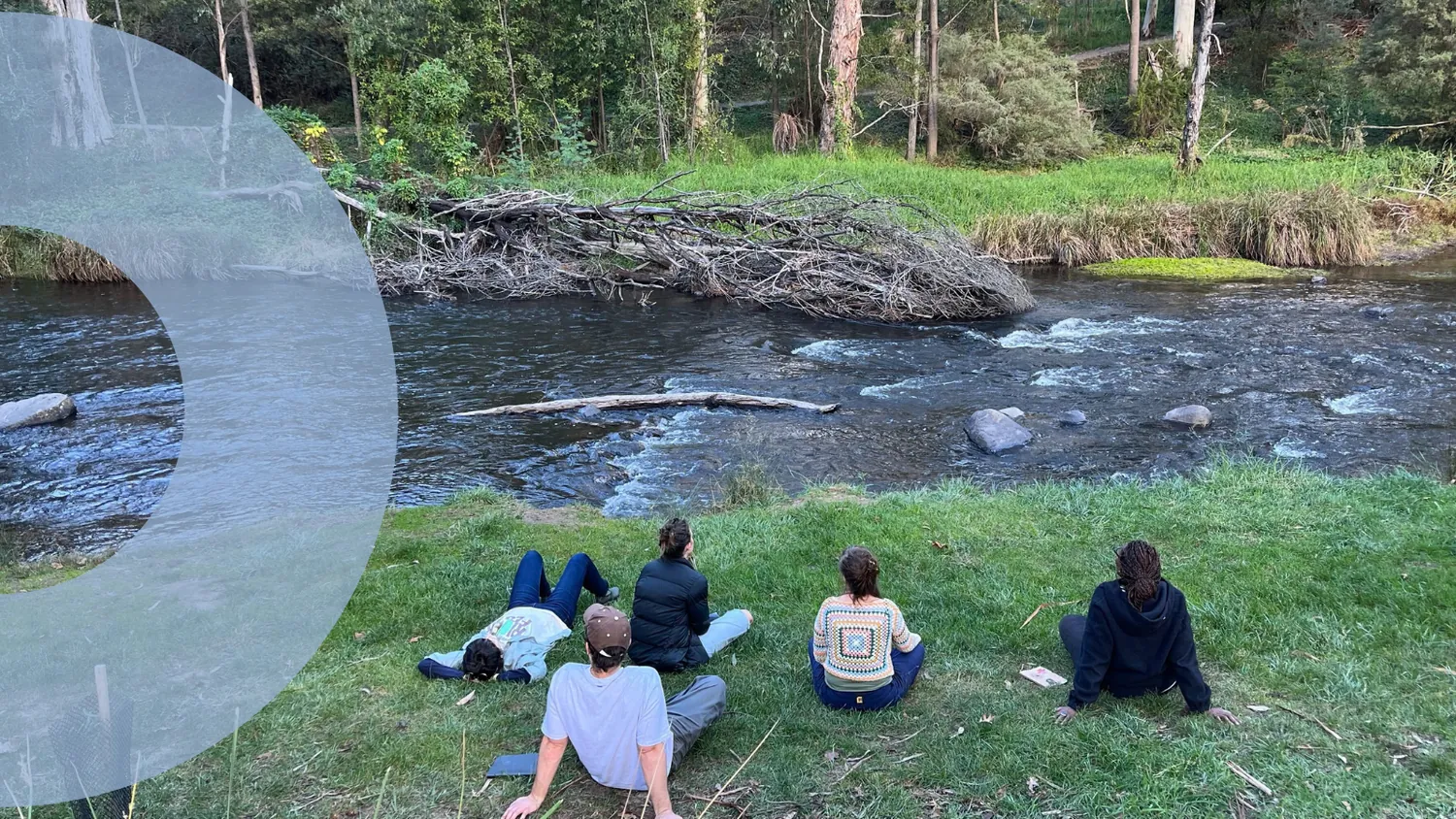
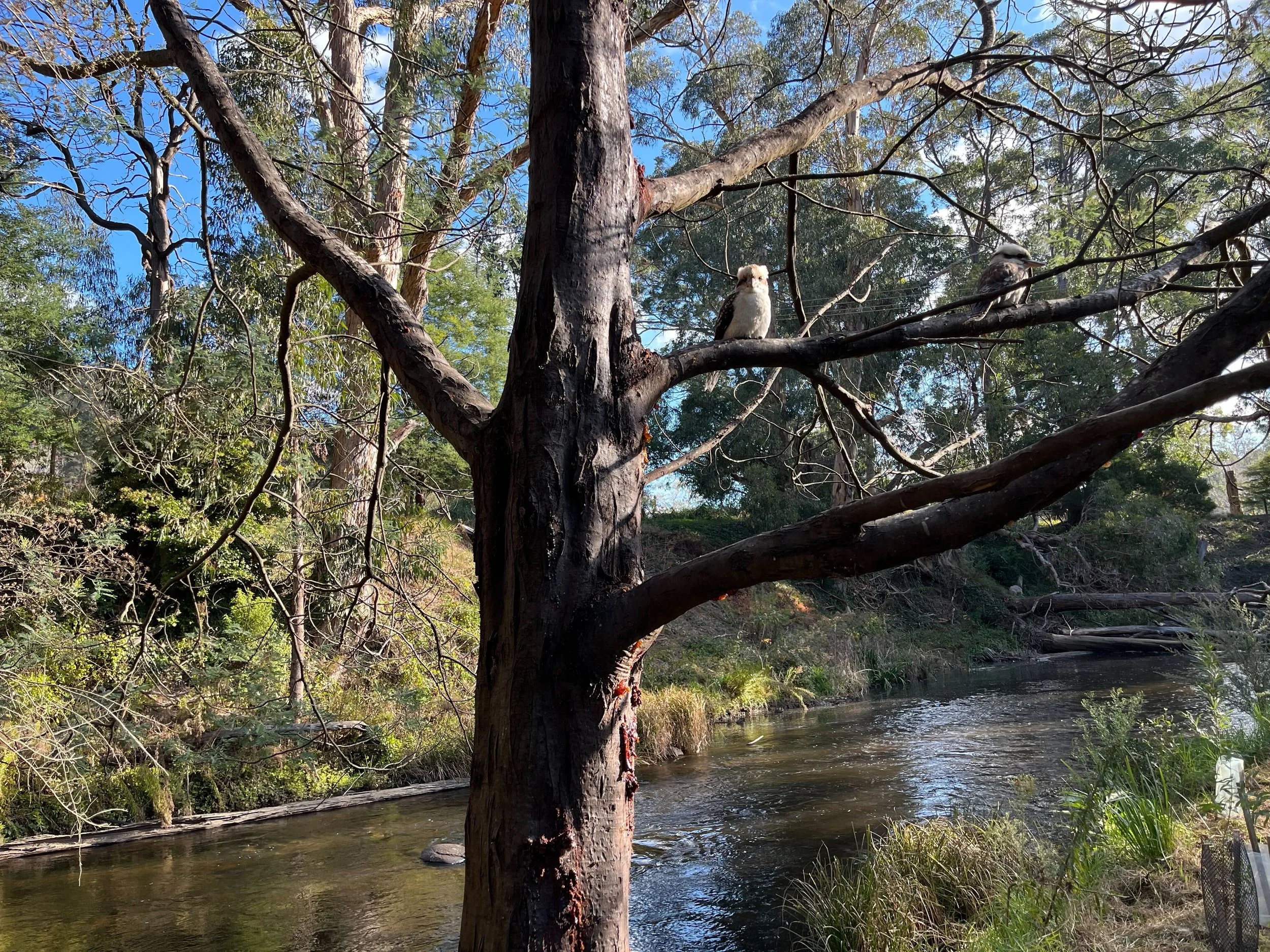
We move our workshop to the riverbank where we spend time with her, and listen. I ask how we could be of service. Her response? "Create pathways for people to come to know me." The simplicity of this answer floors me.
Leading to this moment, we've been going through a process of identifying what interventions and projects would be effective in facilitating the reconnection of people to the river. In this second, I realise sometimes it's about bringing people back to the Birrarung: to spend time and immerse themselves in the river, to lie by the river, to create by the river, and to co-create memories and experiences with her.
There's a beautiful exchange that happens between us and nature as we become more aware and intentional with her. So, as the Swimmable Birrarung project enters its next phase, finding new ways to weave with our 300,000 Streets and 15-Minute Cornucopias Earthshots, we are exploring what bringing people to the river can look like.
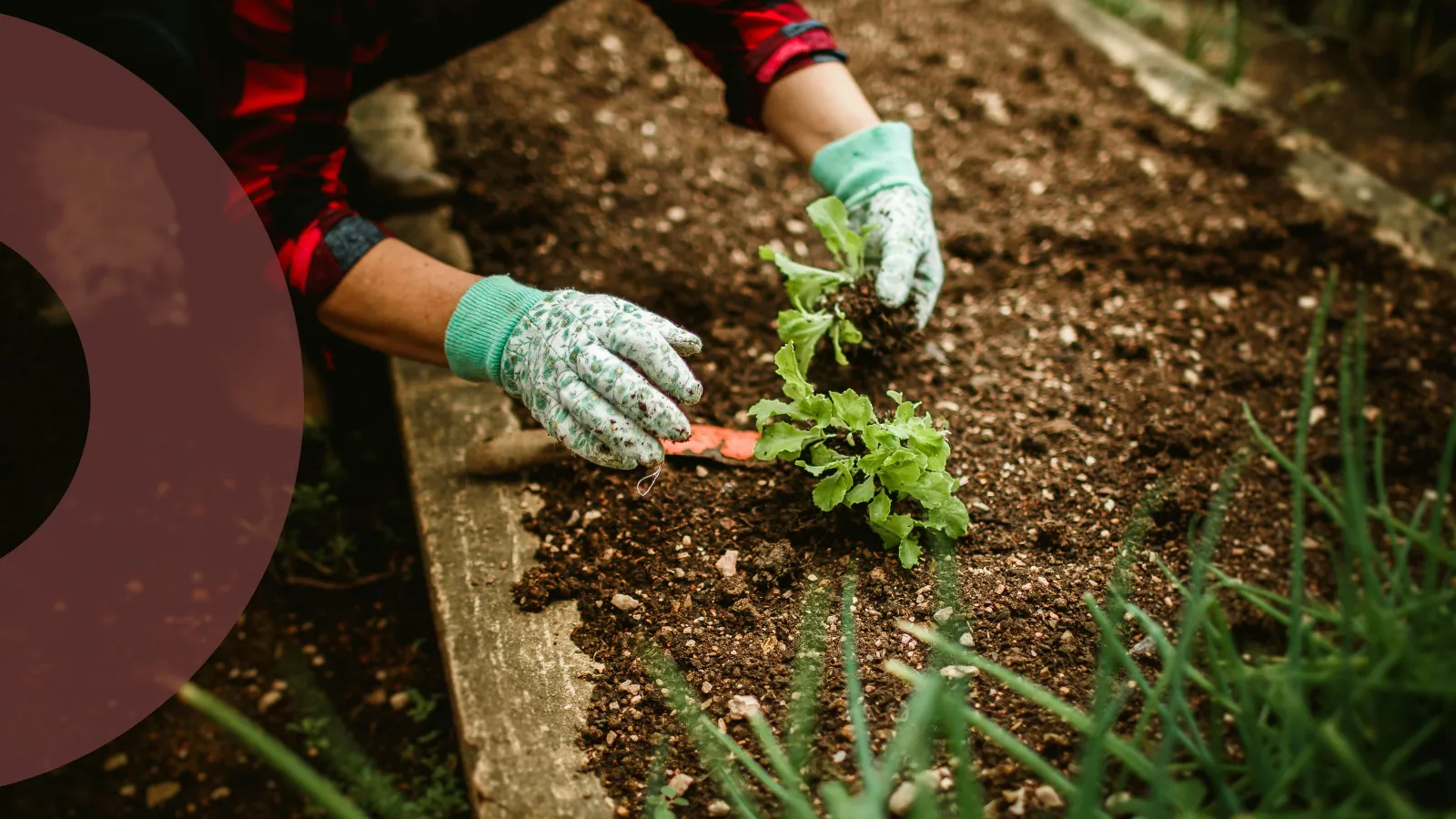
The rest of the day is spent planting over 50 trees, donated by the local nursery. The biggest takeaway? We need to listen more to the river, co-create with her, centre her voice in the work, and bring others along for the journey. It is the key to reaching our goal of a healthy, thriving, swimmable Birrarung.