.webp)
Shifting systems is a massive undertaking, and our approach needs to be flexible enough to allow for enormous complexity yet rigorous enough to allow for tangible progress. As Regen Melbourne enters its fourth year of existence, CEO Kaj Lofgren walks through our evolving model for systemic impact in 2024 and beyond.
Regen Melbourne was co-created in 2020 in the wake of the Black Summer and the midst of Covid-19 lockdowns. As I write this reflection, my house has just been plunged into darkness and I have lost internet and phone coverage. The epic storm that rolled across our city this week is a stark reminder that we are living through rolling social, ecological and economic shocks.
At the same time, there is a growing awareness of the need for more systemic approaches to our interconnected crises, and a more open exploration of alternative paradigms and worldviews.
Siloed, cause-based projects and initiatives are essential, of course. But we need to find ways to shift the systems these individual causes exist within and depend upon in order to accelerate the change we need. This is the work of Regen Melbourne: to help organise, catalyse and connect organisations to be of greater service to Melbourne, while simultaneously shifting the systemic conditions in their favour.
Our first evolution: setting our vision and purpose
In late 2020, together with over 500 people and 50 organisations, we embarked on a six-month collective sensemaking exercise, framed by the localisation of Doughnut Economics. Together, we co-created a collective vision for Greater Melbourne, developed the Melbourne Doughnut, and proposed a new way of working together across sectors and silos. In April 2021 Regen Melbourne released our foundational report,Towards a Regenerative Melbourne.
By the middle of 2021 the first evolution was complete. Regen Melbourne had moved from a community research experiment during lockdown to become a network of organisations committed to a collective vision for Melbourne. This was captured by a profound and yet simple collective expression: we all felt the deep need to better serve our city.
In this first evolution a simple scaffold was enough. We had a growing alliance of partners, a strong collective vision and purpose, and an emerging roadmap of activities to pursue.
Our second evolution: landing a theory of change
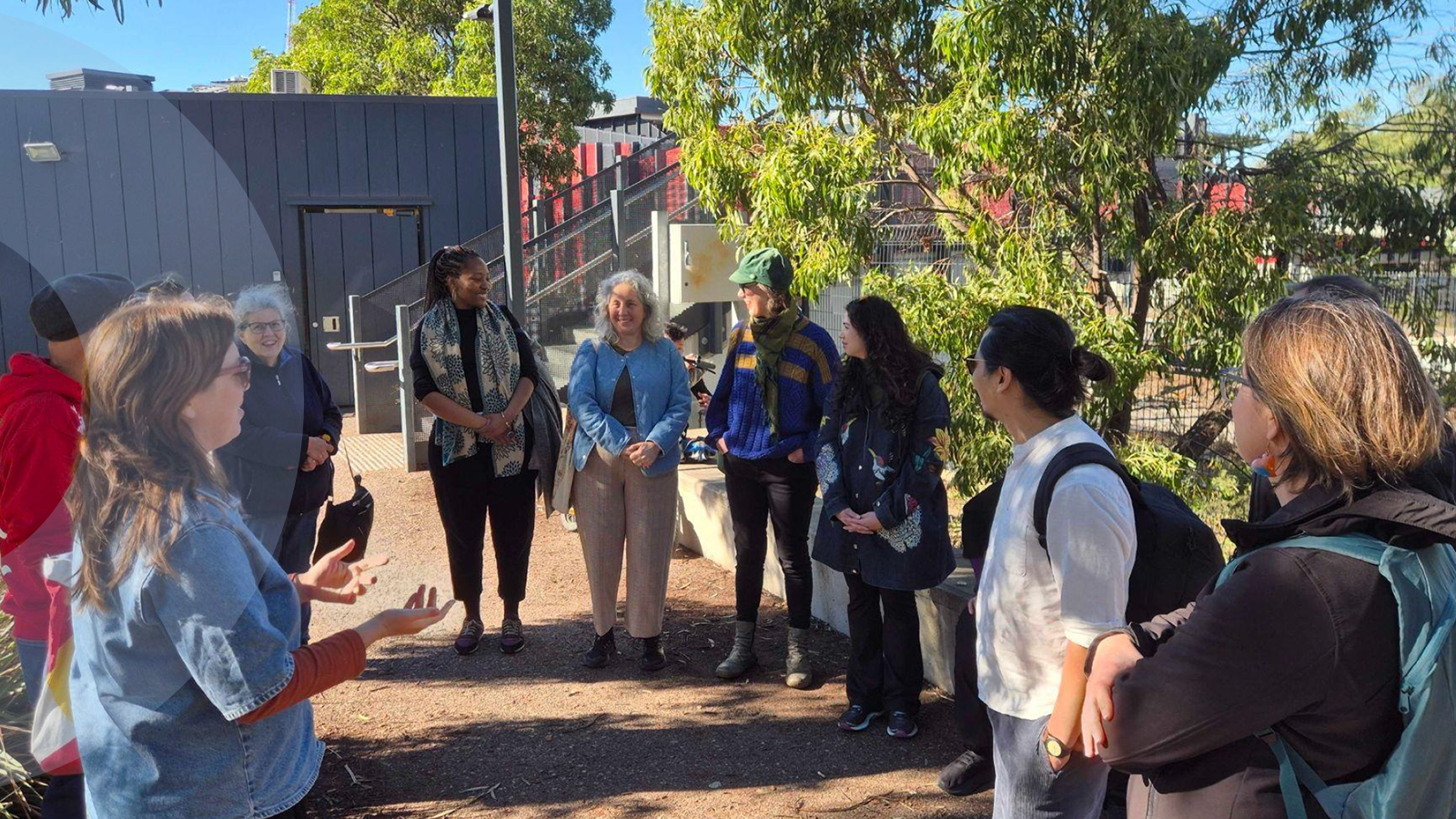
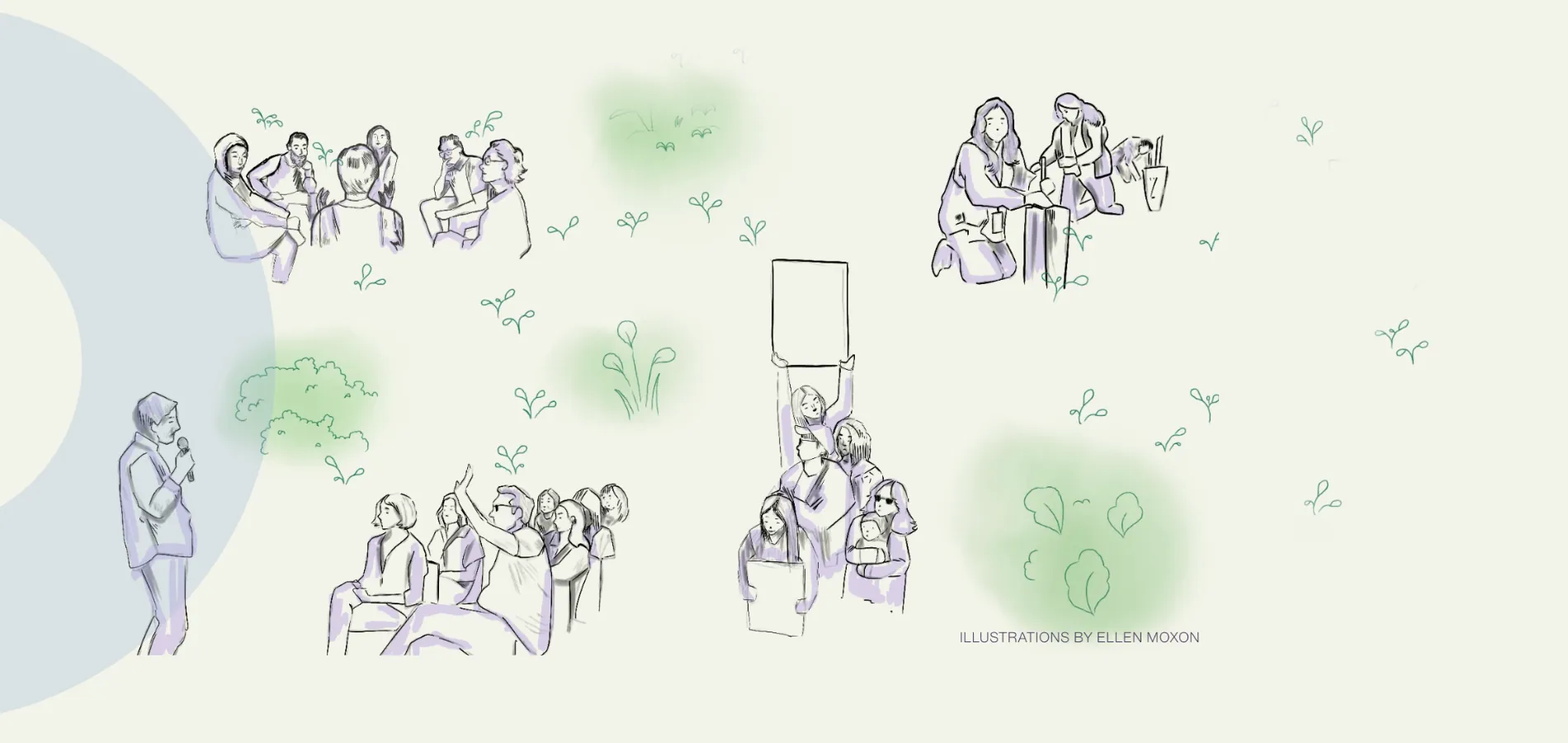
Over the next 18 months we experimented together with the RM alliance through many forms of gatherings, workshops, picnics, parties, and roundtables. We initially tested the potential of Regen Melbourne becoming a city-wide movement for bottom-up change.
We learned a lot about the role of organising, the deep desire individuals and organisations had for working in service of place and the power of a collective vision in action. We also learned about the difference between broad-based movement building and systemic convening. Two key questions emerged: how could we support diverse organisations to collaborate across sectors and siloes? And how could we organise organisations in pursuit of a much more ambitious vision for change?
"Our focus moved away from a movement-based response to crisis and towards supporting organisations to get into formation for systemic change. Regen Melbourne became a platform for ambitious collaboration, in service of our city."
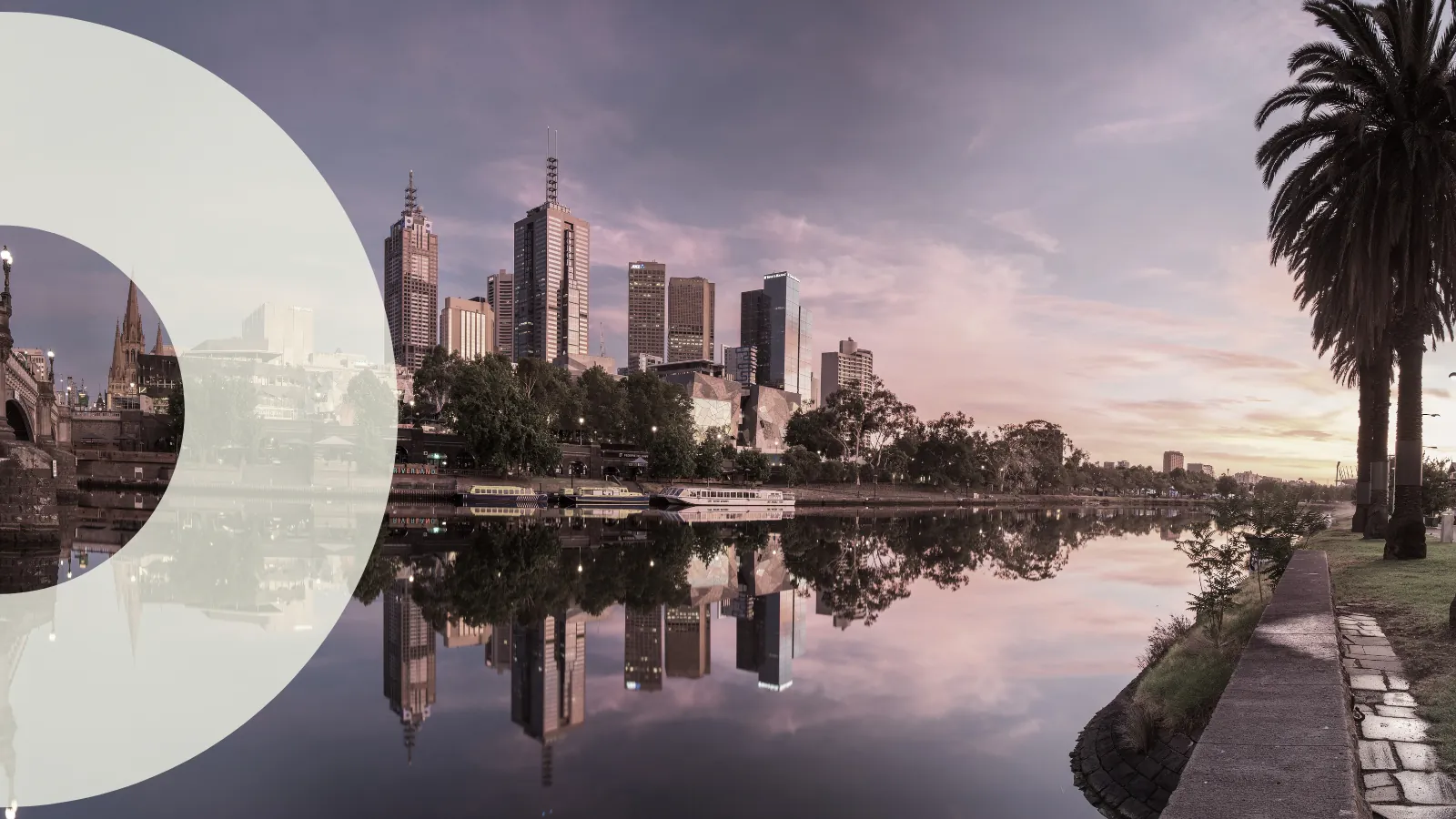
As these insights emerged, our work convening actors around the idea of a Swimmable Birrarung was also progressing strongly. As the work took shape around the river, it inspired other major themes being pursued across the alliance, including around thriving citizenship (Participatory Melbourne), regenerative food systems (Ending Food Waste) and hyperlocal regeneration (Regen Streets). These aligned with our aspiration to add detail to the Melbourne Doughnut (Measuring What Matters). Taken as a collective, these initiatives became a portfolio of projects, each creating a tangible pathway towards our collective vision.
By the middle of 2023, the next tier of scaffolding was taking shape. We had a clear vision and purpose, a growing alliance of partner organisations, and five major projects to convene around.
Our third evolution: developing a methodology and measurement system
With a much better understanding of our role in "organising organisations", we set about testing and refining our work. We were guided by a diverse set of best-practice methodologies and frameworks from around the world, including Doughnut Economics, collective impact, challenge-led innovation, and systems thinking.
The SOIL model for systemic transformation was developed in September 2023 and described our phases of work as we embark on the systemic convening of wildly ambitious projects.
The first phase recognises the need for dedicatedSensemaking, a hyper-relational, pattern-spotting exercise. This is followed by anOrganisingphase to create new formations of organisations. In tandem, a consciousInsightsgathering process continues to ensure our work is powered by deep knowledge. And finally, potent and tangibleLeverage Pointscan be identified that, when delivered as a portfolio of interventions, can tilt a system towards transformation.
In parallel, our creation of a City Portrait for Greater Melbourne was also progressing. Through an epic feat of collaboration across six universities and dozens of knowledge holders, the Greater Melbourne City Portrait was publicly launched at the State Library on the 13th of November 2023. This ambitious interactive data platform gave our work a tangible way of measuring our goal of moving Melbourne towards a regenerative future.
By the end of 2023 our scaffolding had matured even further. We had a clear vision and purpose, an ever growing alliance of partners, a portfolio of projects, a clear project methodology and an overarching measurement framework for the work.
Our next evolution: refining our project portfolio and introducing enabling collaborations
We begin 2024 once again in reflection mode, feeling proud of our work and also impatient at the obvious urgency for change.
Our portfolio of projects is evolving in 2024, with each initiative continuing to move through the SOIL methodology. Regen Streets and Ending Food Waste are commencing Sensemaking. Participatory Melbourne is transitioning into Organising and Insights work. Swimmable Birrarung is exploring tangible Leverage Points. And Measuring What Matters is shifting into a thematic focus area within our RM Lab.
"We begin 2024 once again in reflection mode, feeling proud of our work and also impatient at the obvious urgency for change. The need for systemic work is increasingly obvious, but the constraints to going beyond simply treating symptoms remain."
Perhaps the most significant strategic development in 2024 is the overt introduction of "enabling conditions" that support our portfolio of projects. We know from our explorations and from case studies around the world that transformational work cannot be successful without a shift in fundamental enabling conditions. These include how research and knowledge are developed and disseminated, how capital moves through a city, how policy is decided upon, and how the story of our place is told.
Hence, in 2024, we are starting the year with a new way of holding our understanding of the role of research (progressed through the existing RM Lab) and capital (a collaboration soon to be announced). We are also pursuing emerging partnerships around policy and media to better develop these spaces.
We feel so lucky to be the custodians of Regen Melbourne; co-created social infrastructure designed to raise our collective ambitions and deepen our systemic impact. The work continues…
Yours collaboratively,
Kaj Lofgren
CEO, Regen Melbourne