.webp)
Regen Melbourne is dedicated to accelerating our city into a safe and just future. Given our systemic inertia and the extent of our metacrisis, this is giant ambition. One of the most common questions we are asked is:whatexactlyis it that you do?
In one sentence, our work is to organise and orient business, capital, individuals and community-led organisations towards projects that will transform Greater Melbourne to be in service of people and planet.
The following is a definition of our work, now and into the future, and a framework to help us talk about what we do with anyone who comes across it.
From icebergs to roots
One of the most common ways of describing the need and role of systems change is an iceberg. As the analogy goes, the issues that we see in our society manifest above the water, while their causes and drivers lie below.
Recently the Centre for Systems Innovation and Auckland Co-Design Lab designed a roots version of the iceberg— recognising that all those 'underground' causes and drivers are dynamic, moving and interconnected forces.
"Unlike the traditional 'iceberg' model of systems … a living metaphor (tree, roots, mycelium, ant nest) can help us see how important connection and communication is between layers of the system."
Leaning into this roots analogy further, the need for systems change can be thought about in the way a garden grows. Unless the soil conditions are healthy then it doesn't matter how much energy you put into your gardening, you will never develop a thriving ecosystem. Regen Melbourne exists to shift these soil conditions so that a healthy and thriving city can emerge.
Which brings us toSOIL, our emerging model for systemic transformation.
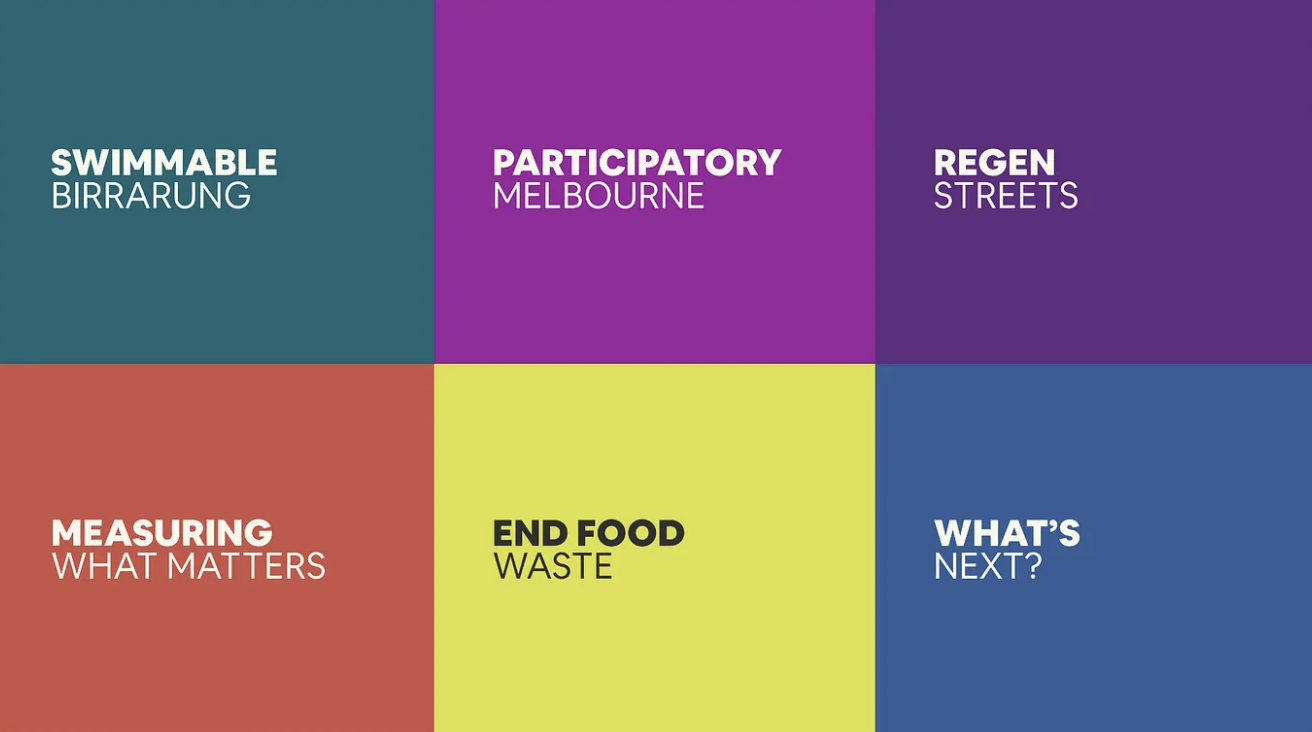
RM's work is centred around a portfolio of 'earthshots'– wildly ambitious projects that can move us towards a regenerative Melbourne. These include making the Birrarung Yarra River swimmable again, ending food waste, rejuvenating our democracy and creating a wave of regenerative streets.
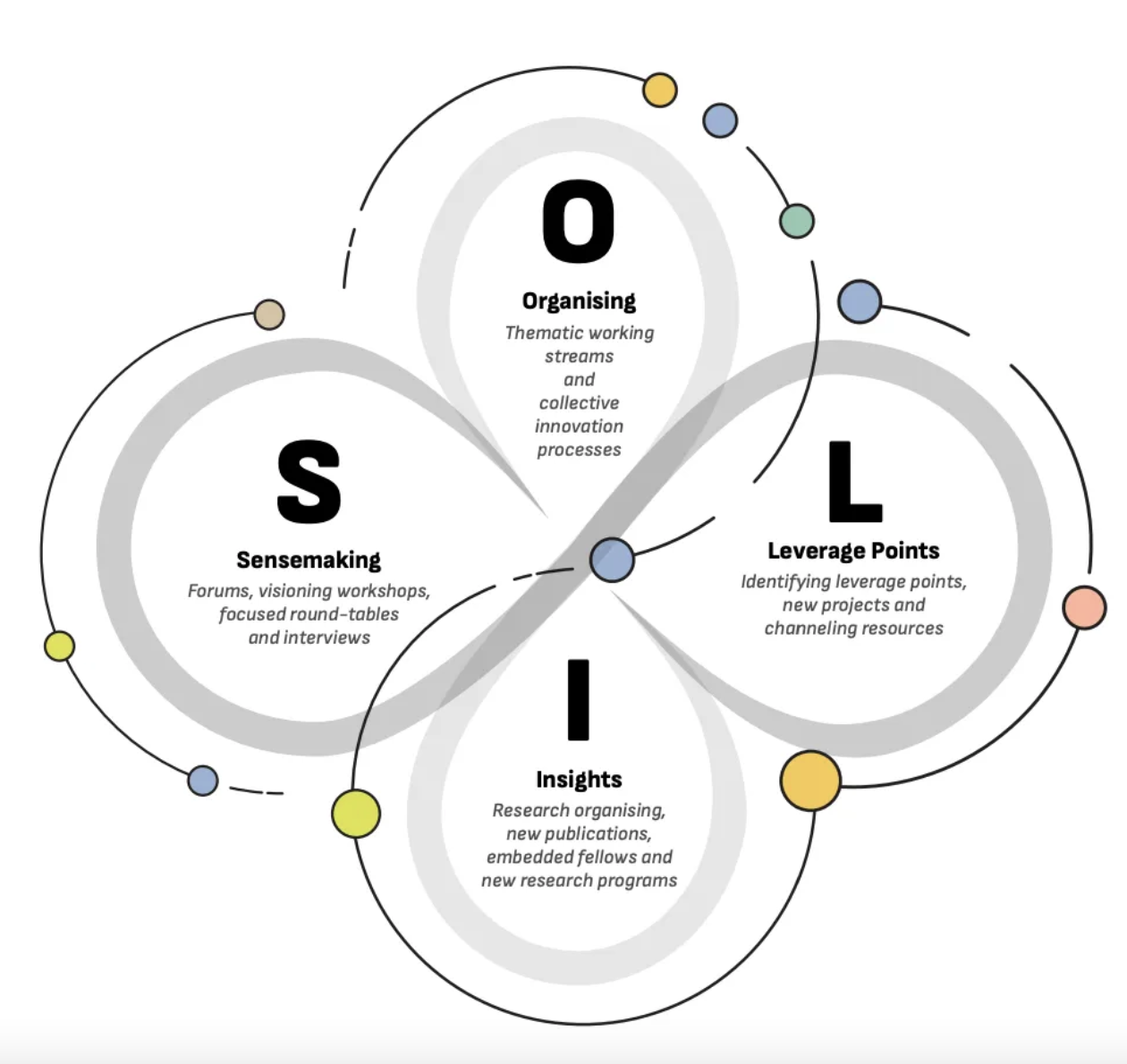
The SOIL model for transformation outlineshowwe work on these earthshots.
There are four main aspects, or phases, in developing and delivering our earthshots: sensemaking, organising, insights and leverage points.
Sensemaking
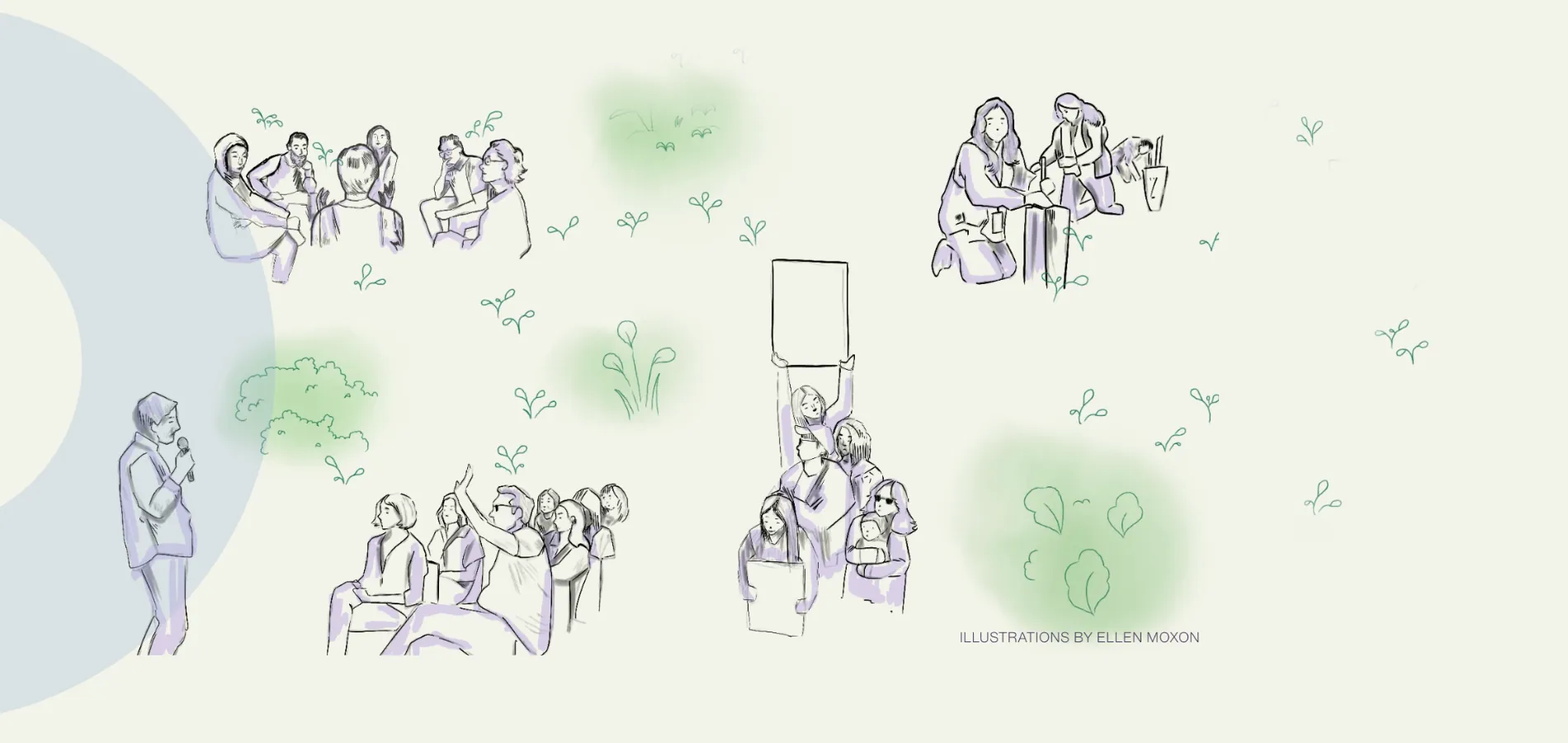
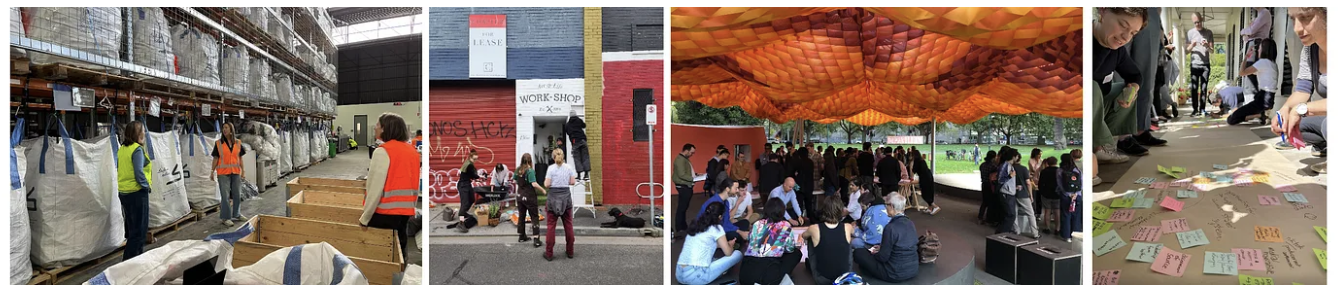
Sensemaking:pattern spotting for emerging energy in the system, coming from engaged organisations working to solve our major social and ecological concerns. It means giving ourselves the time, space and permission to literally make sense of the potential emergent opportunities.
We explore questions like:
What are our visions for the future?
What is working and what isn't?
What would we do if resources weren't a restraint?
If we could make sweeping changes to our social and cultural dynamics, what would we do?
Imagine if…
Asking these questions opens up a permission space for new possible futures. Doing this collectively shifts the responsibility away from single organisations who carry all the obvious systemic dynamics which typically constrain innovation and creativity.
Organising
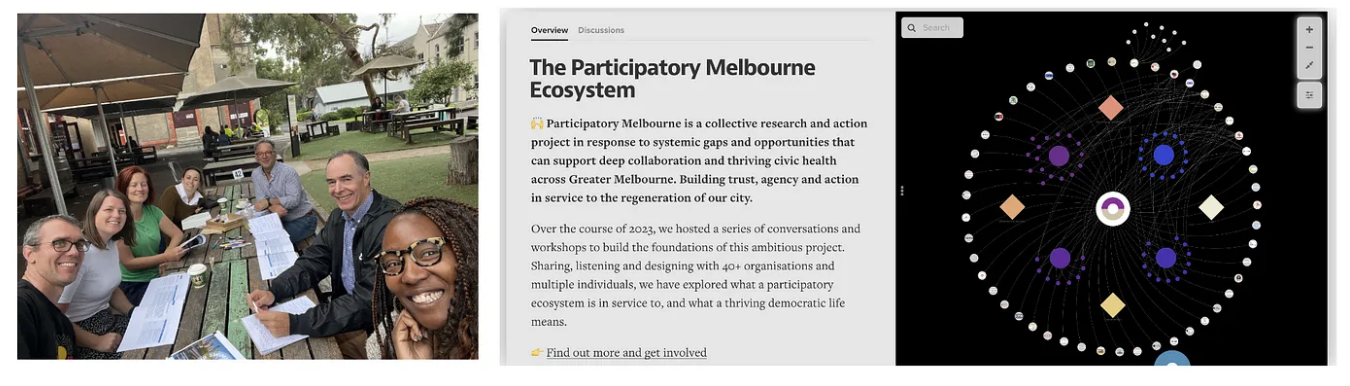
Organising:as a shared goal is established, we start to see how an ecosystem of actors is already connected and engaged with one another. And where the gaps or barriers are across silos and sectors. We then work to organise and orient these actors towards the goal.
This includes the obvious communication channels and existing collaborations, but extends to more subtle relationships like who shares audiences/customers. It also considers what power dynamics drive an ecosystem and how resources currently flow.
Insights
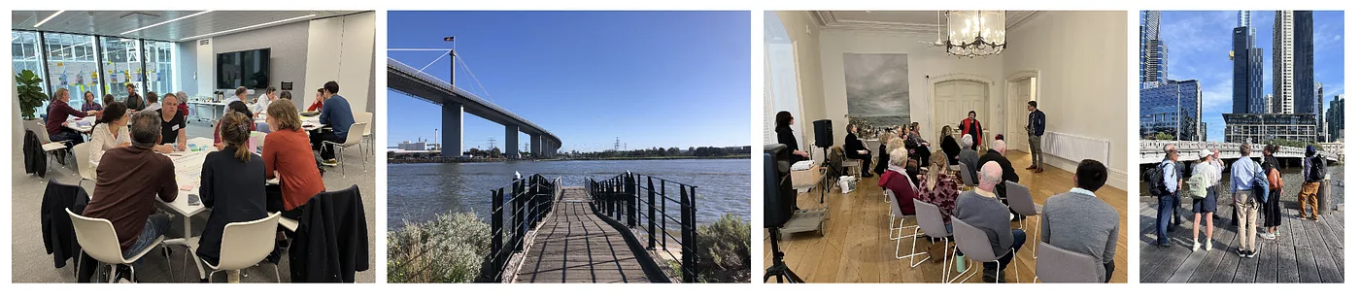
Insights:the sensemaking and organising phases generate significant insights that iteratively inform the role that Regen Melbourne takes in any ecosystem. And these organic insights need to be complemented by the power of research to ensure we're staying attuned to existing and emerging knowledge.
This phase begins with what we call 'research organising' or channelling the power of research in service to our earthshot. The insights phase is driven by the RM Lab, a formal collaboration of Melbourne universities.
Leverage points
Leverage points:only after dedicated work below the surface (in the soil), do we begin to explore which existing and potential projects can unlock systemic transformation. (For context, it took two years for the Swimmable Birrarung to get to the beginning of the leverage points phase).
This phase involves assessing which leverage (or "acupressure") points in an ecosystem have the most systemic potential and which initiatives could be supported or developed to most powerfully affect that leverage point. Through this iterative analysis Regen Melbourne develops a portfolio of projects which we actively lead the set-up of and the recruitment of organisations into specific collaborations.
SOIL: sensemaking, organising, insights and leverage points.
A simple way of framing complex work. Ultimately, most people will perceive Regen Melbourne's work through the last phase, the most visible 'above the ground' work. They will see that Regen Melbourne is leading portfolios of tangible projects aligned with our inspiring set of earthshots.
But the only way we get truly transformational outcomes that create systemic change is by changing the soil conditions. Most of our work remains here. Getting our hands dirty in the soil. Shifting conditions to allow transformational projects to emerge.