.webp)
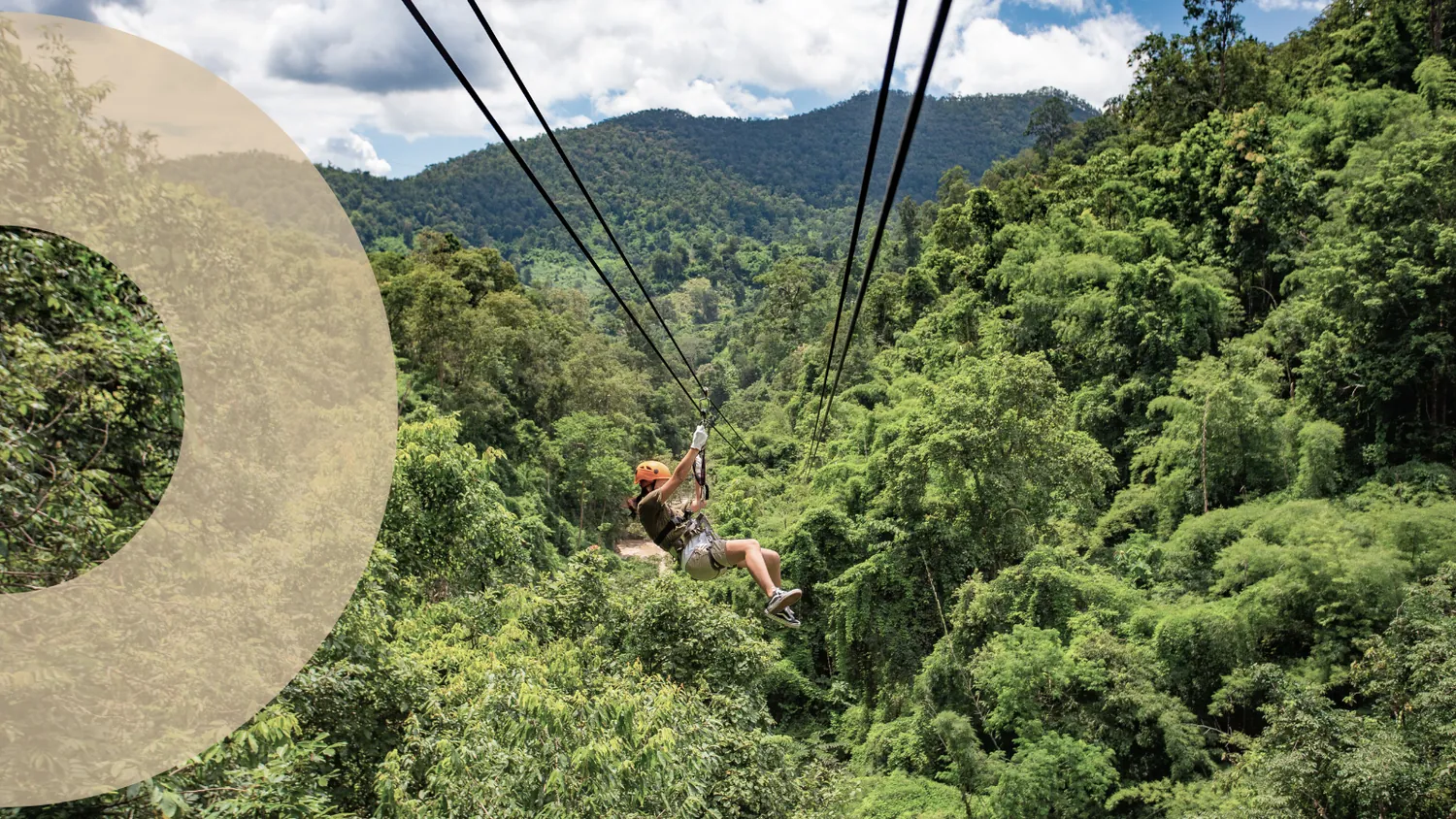
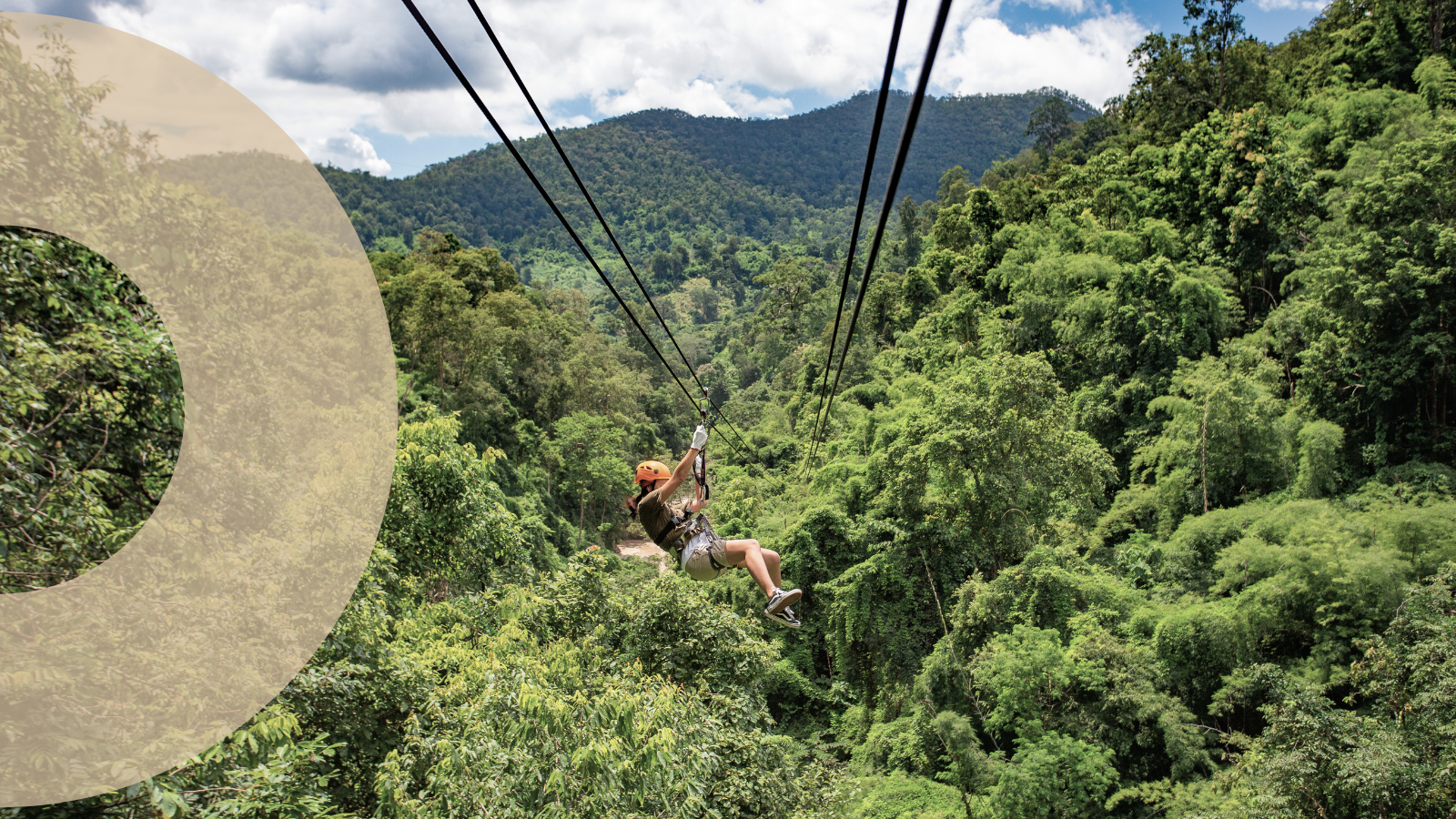
What does ziplining have to do with climate change adaptation? More than you would think.
As I wonder what it could look like to settle gently into our work at Regen Melbourne with a bit more joy and playfulness, an irresistible metaphor crosses my mind: gibbon ziplines and climate change adaptation pathways.
Not entirely sure where I'm going with this? Let me explain.
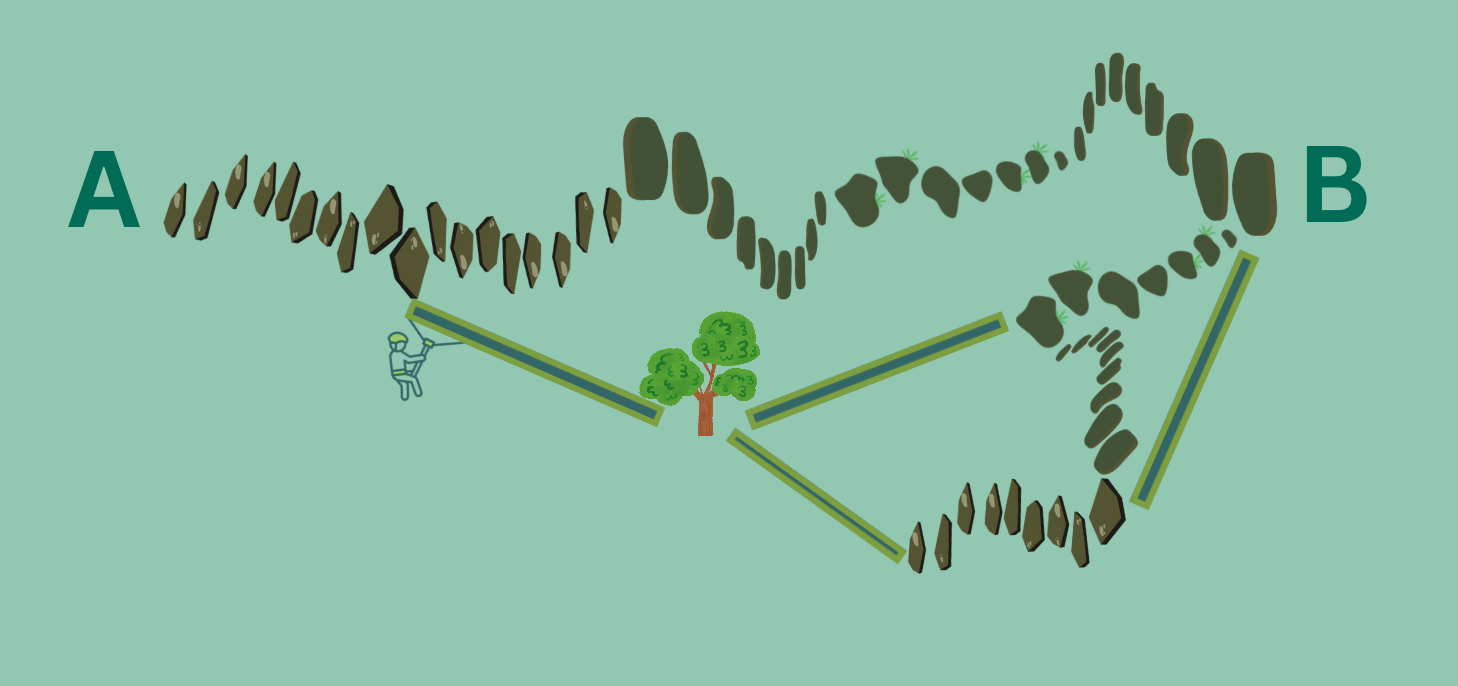
Spending a few days flying high through the jungles of northern Laos, hoping to see gibbons in the wild, offered a new perspective to me. Imagine that if to go from A to B in the jungle, you were only provided with one unique linear plan, expected to hold the test of time. Imagine if you had no map.
That would be completely ridiculous and unsafe.
But this is the way most plans and policies are currently designed: one goal and no future proofing or flexibility to adapt based on learning along the way.
Imagine instead, that you were given options or different itineraries that could take you to desired destinations.
A reassuring adventure starts with resilient system qualities
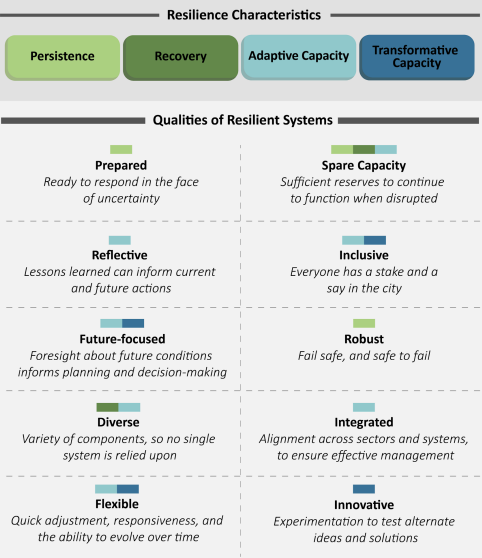
If you're a lover of trees but not of heights, you might be reassured by the quality of robust safety equipment and infrastructure supporting you as you fly through the air on a zipline. I sure was.
It's also reassuring to feel prepared: helmet strapped, carabiners safely clipped in, a clear zipline ahead.
Once you're on your way, enjoying the ride and taking in all that magical scenery, there is a deep comfort and satisfaction in knowing about the spare capacity and diverse options available to go from A to B.
As you reflect on the experience, it becomes clear that it was designed to be inclusive to a range of ages and fitness levels, adapting the rhythm and remaining open and flexible to the group and individual preferences.
Embrace your inner gibbon
I find trekking through the jungle more enjoyable with maps, guides and practicing the art of building our resilience and adaptive capacity with others.
You'll be hearing more about climate change adaptation as a social process, how we can co-learn from practicing together and grounding in place.