.webp)
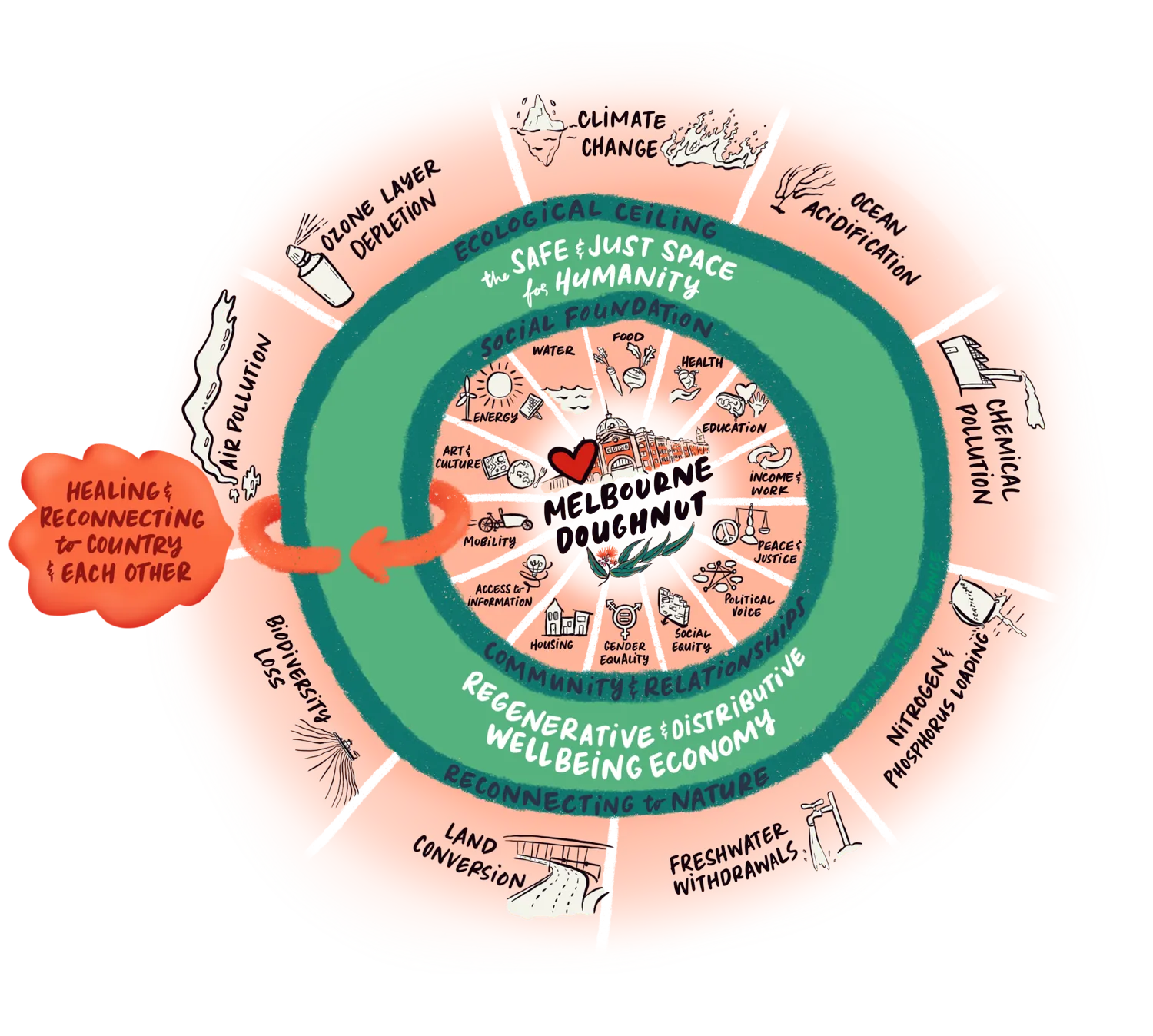
Our first move, in late 2020, was to explore how the Doughnut Economics model could connect with our culture and place. Doughnut Economics is a deceptively simple model, with an ecological ceiling based on the Stockholm Resilience Centre's planetary boundaries and a social foundation based on the United Nations Sustainable Development Goals (SDGs). It equips us with a 21st century compass for meeting the needs of all within the means of the planet.
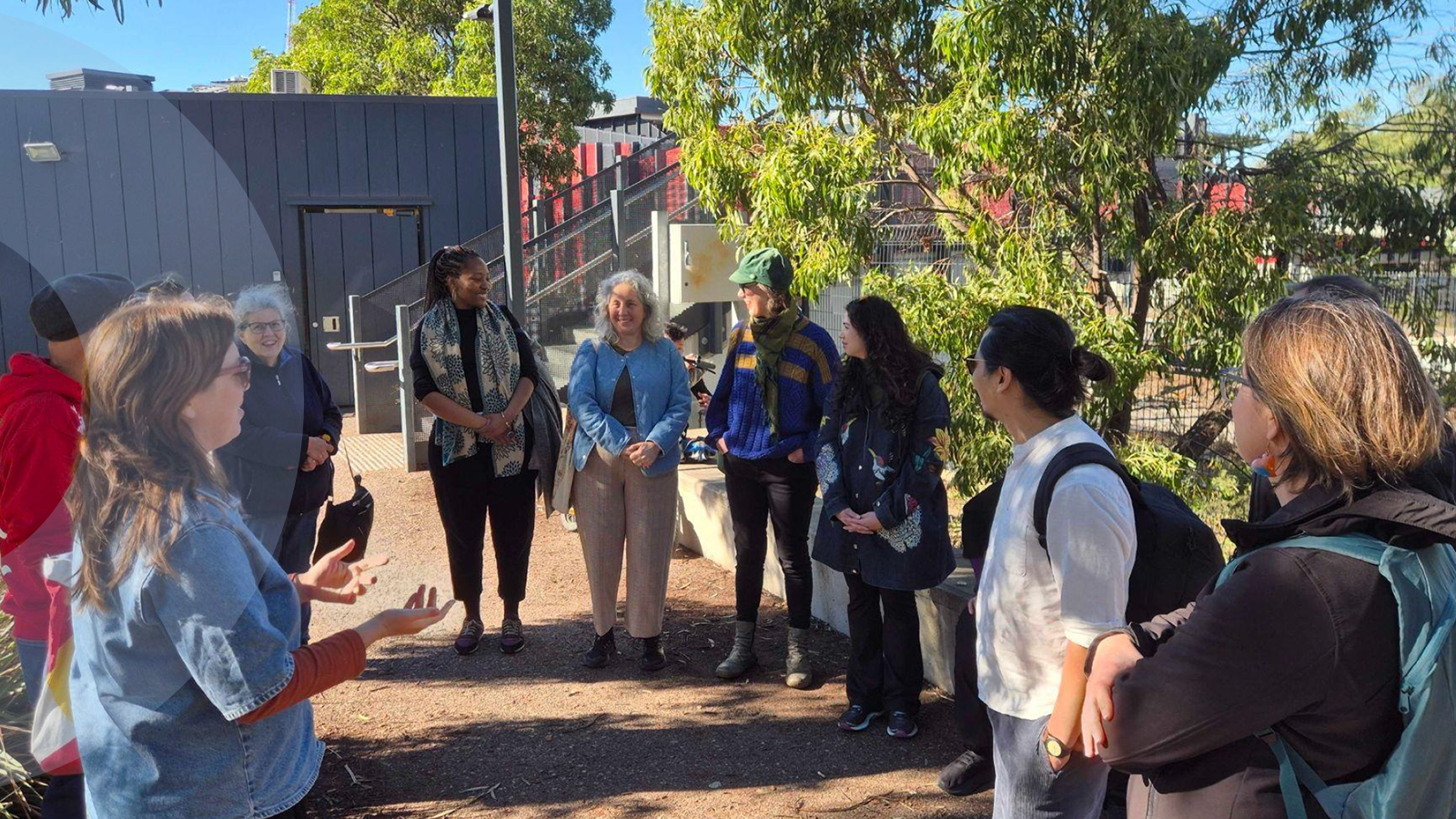
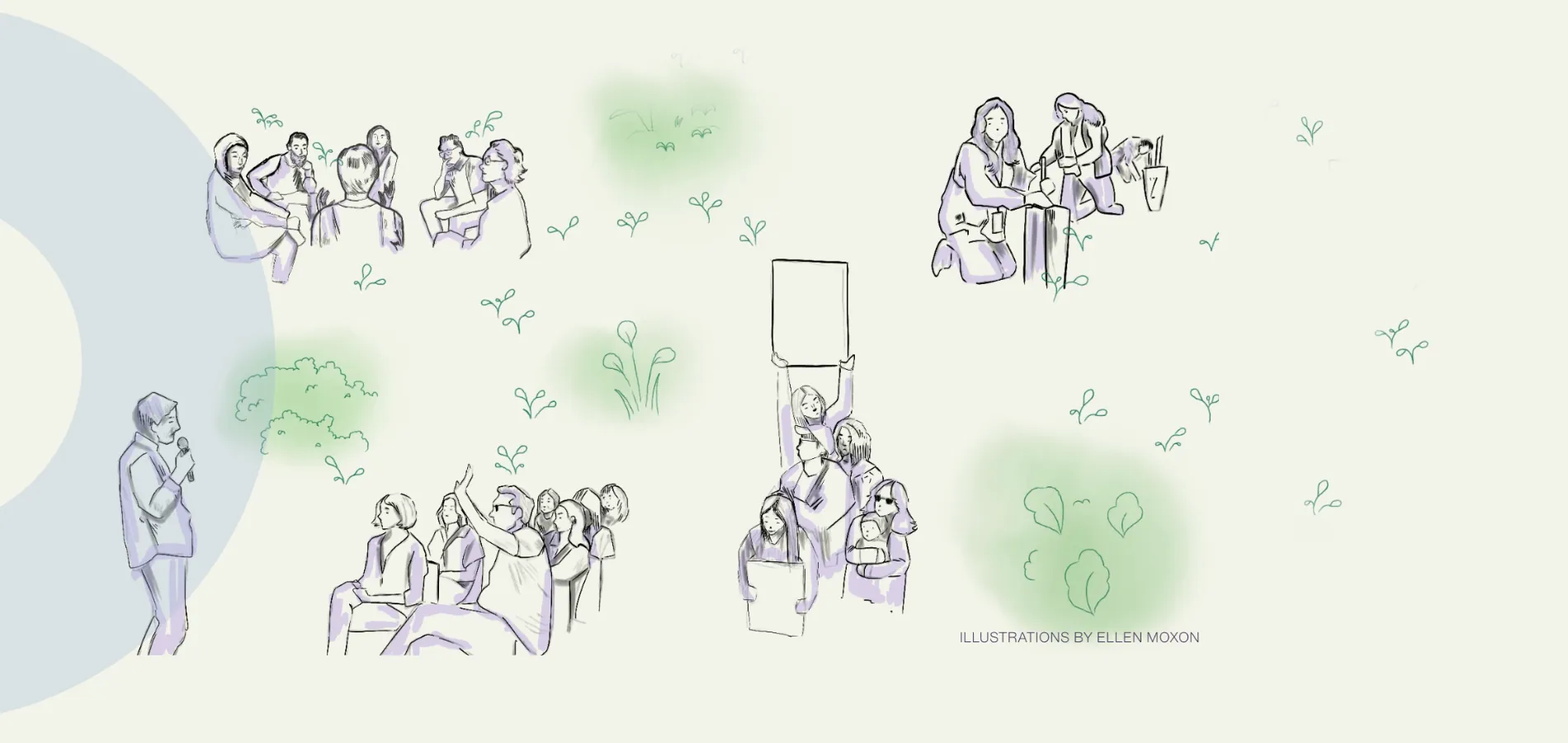
Utilising Doughnut Economics and following the lead of other cities around the world, Regen Melbourne launched a nine-month community research process that featured forums, interviews with prominent Melburnians, expert roundtables and countless hours of research and synthesis. This process utilised the City Portrait methodology pioneered in Amsterdam.
The resulting report, Towards a Regenerative Melbourne, was released in April 2021 and provides a roadmap for protecting and enhancing the city we all love and creating a place where everyone has fair access to the resources they need, local communities are connected and flourishing, and natural systems are nourished and respected.
"Ever since the Doughnut was first published in 2012, people in districts, towns and cities worldwide have asked 'What would it take for us to live in the Doughnut here?' This initiative by Regen Melbourne is a fantastically creative and inspiring opening response to that question... I hugely look forward to seeing what happens next."
KATE RAWORTH, Economist and Author, Doughnut Economics: Seven Ways to Think Like a 21st-Century Economist